Saturday, March 14, 2020

TV series in English to watch during the isolation period

1. Para ponerte al día: las series de las que se ha estado hablando en los últimos meses

Succession. La serie de prestigio de los últimos años. Un reparto impecable interpreta a una de las familias más ricas del mundo, compuesta de potenciales herederos del imperio mediático del padre. No solo ofrece el placer incuestionable de maravillarse con y odiar a un grupo de deleznables milmillonarios; tiene además la inteligencia de no ser pesado. Las intrigas familiares van pasando a un segundo plano y cambian con la suficiente rapidez para no aburrirse nunca de mirar al reparto gritarse y traicionarse en distintas combinaciones. Está mejor escrita e interpretada que la mayoría de las ganadoras del Oscar de los últimos años. ¿Para ver del tirón? (binge watching) Se puede porque desde luego no cansa, pero se disfruta más si se va poco a poco. Dos temporadas de 10 capítulos de 40 minutos. HBO.
Euphoria. El drama de adolescentes que ha dejado antiguos a todos los dramas adolescentes. Más de ver que de entender, reúne los tópicos de siempre (amores malditos, drogas, sexo, chico popular con secretos, chantajes, adultos de los que no fiarte ni un pelo) y los retuerce (hay una chica trans en la pareja principal, las drogas se ven desde el punto de vista de una adicta en rehabilitación) mientras los envuelve en una estética onírica de brillantina y miradas tristes. ¿Para ver del tirón? Se recomienda espaciarla. Una temporada de ocho capítulos de 40 minutos. HBO.
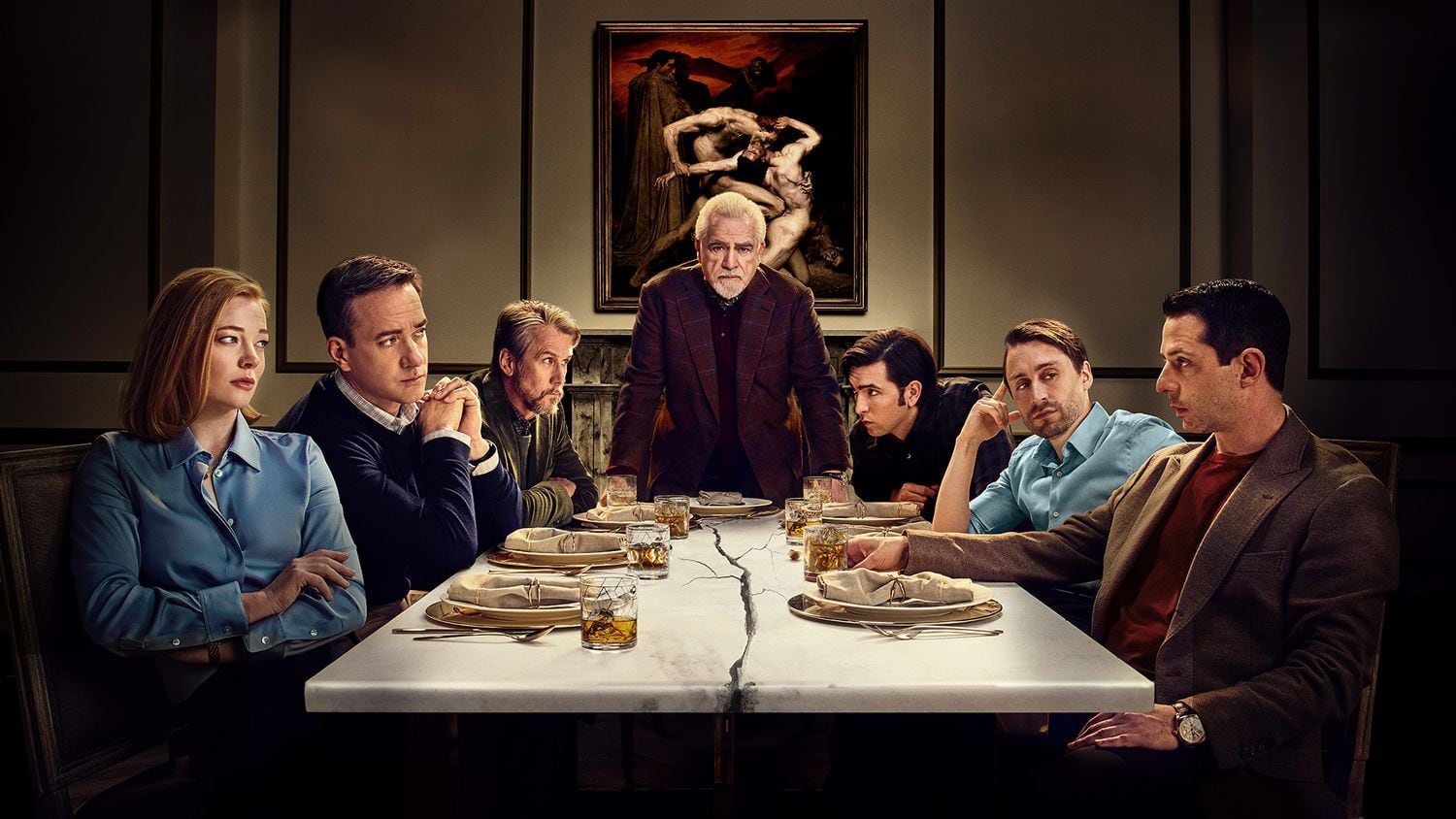


Los protagonistas de 'Succession', en una imagen promocional de la segunda temporada.

Creedme. Uno de los dramas más reveladores de la era del Me Too cuenta la historia de una víctima de violación y sigue el tortuoso proceso al que la justicia somete a toda mujer violada. Repetir la historia una y otra vez, lidiar con escépticos, ver cómo le echan la culpa a ella… Basada en un reportaje de ProPublica (y por tanto en hechos dolorosamente reales), cuenta con una increíble Toni Colette que ganó el Globo de Oro. Fue una de las series del año de Barack Obama, junto con Fleabag y Watchmen. ¿Se puede ver del tirón? No. Una temporada de ocho capítulos de 40 minutos. Netflix.
Chernobyl. La claustrofóbica recreación del peor accidente nuclear de la historia, desde la boba luz roja que se enciende cuando algo empieza a ir mal en el núcleo del reactor de una central ucrania hasta las catastróficas mentiras con las que el Kremlin gestionó el desastre y puso en peligro incontables vidas. Es sobria, seca como un arenal, con momentos magistrales de tragedia. ¿Es lo mejor para una cuarentena provocada por una pandemia? No, en absoluto. Es la peor idea que se puede tener. Pero es la peor idea mejor hecha que hay en su televisor. ¿Se puede ver del tirón? No es imposible, pero no va a dormir hasta 2021. Una temporada de seis capítulos de una hora. HBO.
Watchmen. Tiene mucho para espantar al espectador medio. Se basa en un cómic de superhéroes nada menos, hubo una película no muy bien recibida sobre el mismo material, el reparto no es muy conocido… Y sin embargo, ha sido el título con mejores críticas del año. Será por cómo aprovecha las posibilidades de la ciencia ficción y la fantasía, y la idea de una raza de superhombres, para hablar de intolerancia, supremacismo y otros aspectos de la sociedad actual. ¿Se puede ver del tirón? No es especialmente rápida. Una temporada de nueve capítulos de una hora. HBO.
The Morning Show. Apple TV + se incorporó al universo de las plataformas con gran fanfarria y esta historia ambientada en la trastienda de un programa matinal de televisión como bandera de su apuesta. Este drama con un reparto de lujo (el regreso a la televisión de Jennifer Aniston, Reese Witherspoon y Steve Carell ha costado sus buenos millones de dólares a la compañía) arranca titubeante pero se logró posicionar como una de las sorpresas de la temporada con una trama que va más allá de la lucha de egos de las dos presentadoras del programa para abordar el mundo tras el Me Too de una forma más que interesante. ¿Se puede ver del tirón? Diez capítulos de una hora quizá sean demasiados, pero sí es bastante maratoneable, de hecho, posiblemente se disfrutará más. Apple TV +.

2. Para emocionarse

Kidding. Se habla poco de la vuelta del mejor Jim Carrey, en una de esas interpretaciones con las que te puede sacar una risa y al mismo tiempo romperte el corazón en mil pedazos. Carrey se mete en la piel de un presentador infantil cuyo único objetivo en la vida es hacer feliz a todos, incluso si lo hace refrenando sus impulsos más profundos. Un trauma que comienza en un trágico suceso: la muerte de su hijo en un accidente de tráfico. Esta serie con la particular firma de Michel Gondry contiene algunas de las secuencias más imaginativas jamás rodadas en televisión y una secundaria siempre a destacar: Catherine O’Hara como maestra titiritera. Kidding te ayudará a buscar la felicidad en cualquier detalle. ¿Se puede ver del tirón? A riesgo de explotar por sus locuras, sí. Dos temporadas, 10 episodios cada una, 30 minutos. Movistar series.
Jane the Virgin. Esto es, a la vez, una telenovela y una de las series mejor escritas de los últimos años. Cada capítulo está lleno de giros inesperados: muertes por sorpresa, amantes que resultan ser asesinos, amnesia, hermanos gemelos secretos que suplantan la identidad de otros… Y sin embargo, los personajes están tan inteligentemente diseñados, con los pies tan en el mundo real, que reaccionan a esos giros como personas no solo normales, sino hasta más sensatas de lo normal. Esa combinación hace que lo que podría ser infumable resulte entrañable, brillante y adictivo. Lo cual hace falta porque la premisa es fuerte: una chica católica, latina y pobre, que pretende llegar virgen al matrimonio, se queda dormida en la consulta de su ginecóloga, quien la insemina por error con la última muestra de semen de un rico heredero. ¿Se puede ver del tirón? Se debe. Cinco temporadas de 20 capítulos de una hora. Netflix (última temporada en Movistar +).
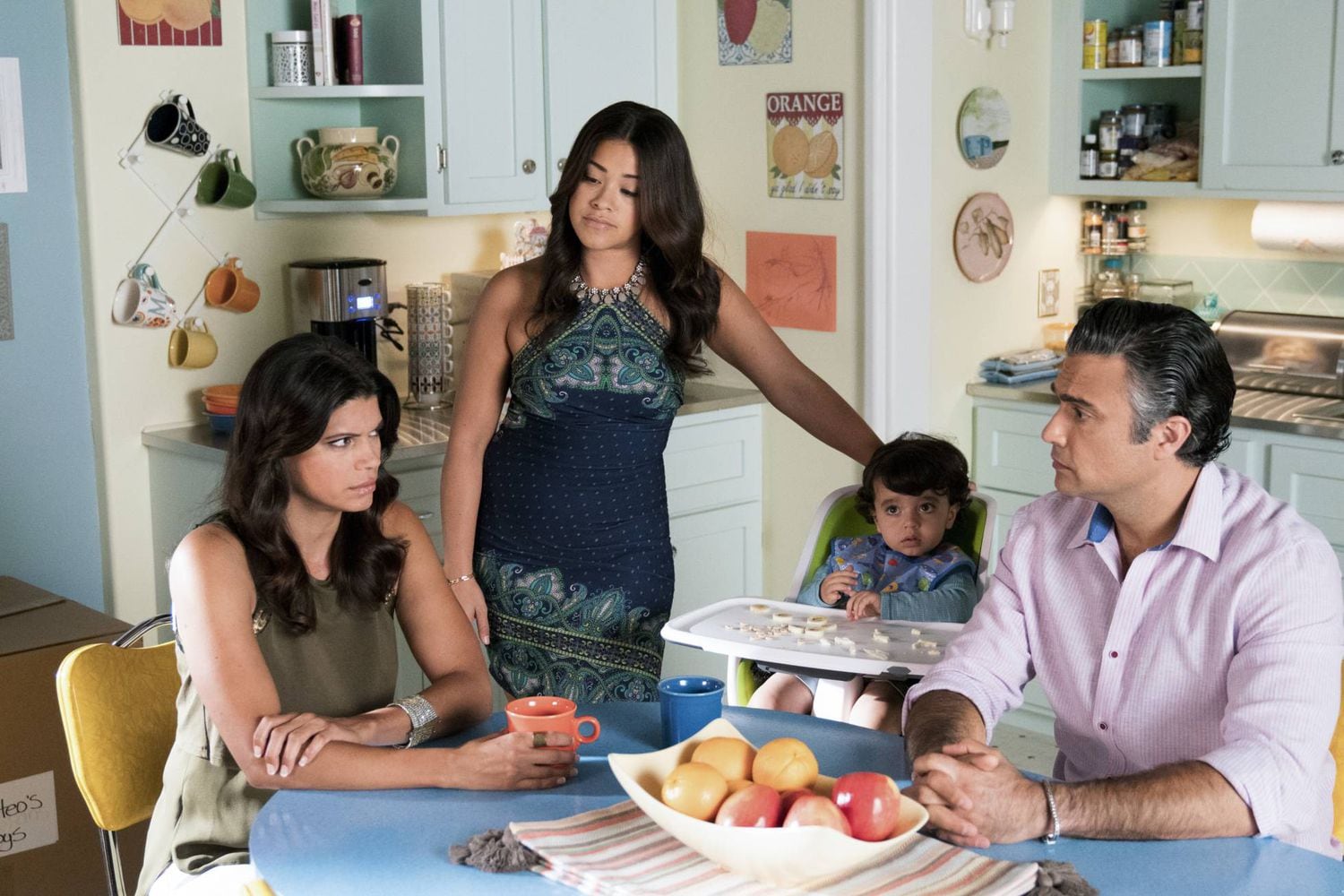
Imagen de la tercera temporada de 'Jane the Virgin'.

Día a día. Nadie puede estar triste si se pone a ver a esa bestia del espectáculo que es Rita Moreno, actriz todoterreno de 88 años que lleva triunfando desde West Side Story. Si ves Día a día, vas a llorar a mares, sí, pero será uno de esos llantos sanos, necesarios para el desahogo, en los que al final todo sale bien. Esta serie imperecedera trata con un estilo clásico grandes problemas del mundo actual desde la rutina de una familia latina en EE UU. Si las temporadas de Netflix no son suficientes, tras su cancelación en la plataforma la serie sigue rodándose (estos días sin público) por aclamación popular, ahora en otra cadena, Pop TV. Querrás quedarte encerrado con los Álvarez. ¿Se puede ver del tirón? Si te quieres deshidratar, sí. Tres temporadas, 10 episodios cada una, 30 minutos. Se puede ver con niños. Netflix.
Un lugar para soñar. Una serie para ver en familia. Es como si un telefilme de sobremesa de fin de semana se convirtiera en serie. Perfecta para sentirse bien y reconfortado durante un ratito con algo sin ninguna pretensión más allá de eso. Una mujer llega a un remoto pueblo canadiense huyendo de una vida complicada. Allí empezará a trabajar como enfermera junto al médico del pintoresco lugar. Por supuesto, desde el primer momento encontrará el apoyo del apuesto propietario del restaurante del lugar. Una dramedia blandita con cierto aire (salvando las grandes distancias) a Doctor en Alaska o Las chicas Gilmore por eso del pueblo con peculiares habitantes donde todos van a una cuando uno de ellos necesita ayuda. ¿Se puede ver del tirón? Sí, claro. Son 10 capítulos de 40 minutos y apta para todos los públicos. Netflix.

3. Para reír

El método Kominsky. Protagonizada por Michael Douglas, 75 años, y Alan Arkin, 85, aborda las aventuras y desventuras de esta dispar pareja mientras aprenden a envejecer. Entre la comedia y el drama, como la vida misma, esta divertida y tierna ficción es producto de Chuck Lorre, Dos hombres y medio y The Big Bang Theory. Si estas te gustaron, El método Kominsky, si bien tiene un tono y un estilo distintos, te encantará. ¿Se puede ver del tirón? Sin problema. Dos temporadas, ocho episodios cada una, 30 minutos. Netflix
Gentefied. Esta comedia logra meter al espectador en una premisa nunca usada (una familia de inmigrantes mexicanos en Los Ángeles intenta mantener su maltrecha taquería mientras el barrio se va gentrificando y llenando de modernos de moño y posgrado) y hace que resulte totalmente familiar en tan solo capítulo y medio. Es de esas series raras, sobresalientes, que entretiene mientras enseña rincones del mundo que no siempre reciben atención. ¿Se puede ver del tirón? Sí. Una temporada de ocho capítulos, 30 minutos. Se puede ver con niños. Netflix.

4. Para un atracón

You. Un librero se fija en una cliente. Tanto que puede entablar una conversación con ella sin asustarla y fijarse más en cómo le responde. De ahí consigue sus redes sociales, y continúa el estudio. Al poco, consigue forjar un disfraz de chico ideal, a la medida de aquella clienta. Algo que necesita, porque lo que ella no sabe pero nosotros sí es que su verdadera identidad es la de asesino. Con este punto de partida, y con un ritmo endiablado, esta serie, mucho más inteligente de lo que debería, ofrece una reflexión sobre el narcisismo, los prototipos de héroe masculino y, claro, las redes sociales. Consigue además mejorar en la siguiente temporada, donde directamente se convierte en una sátira de sí misma. ¿Se puede ver del tirón? Dios, sí. Dos temporadas de 10 capítulos de 40 minutos. Netflix.
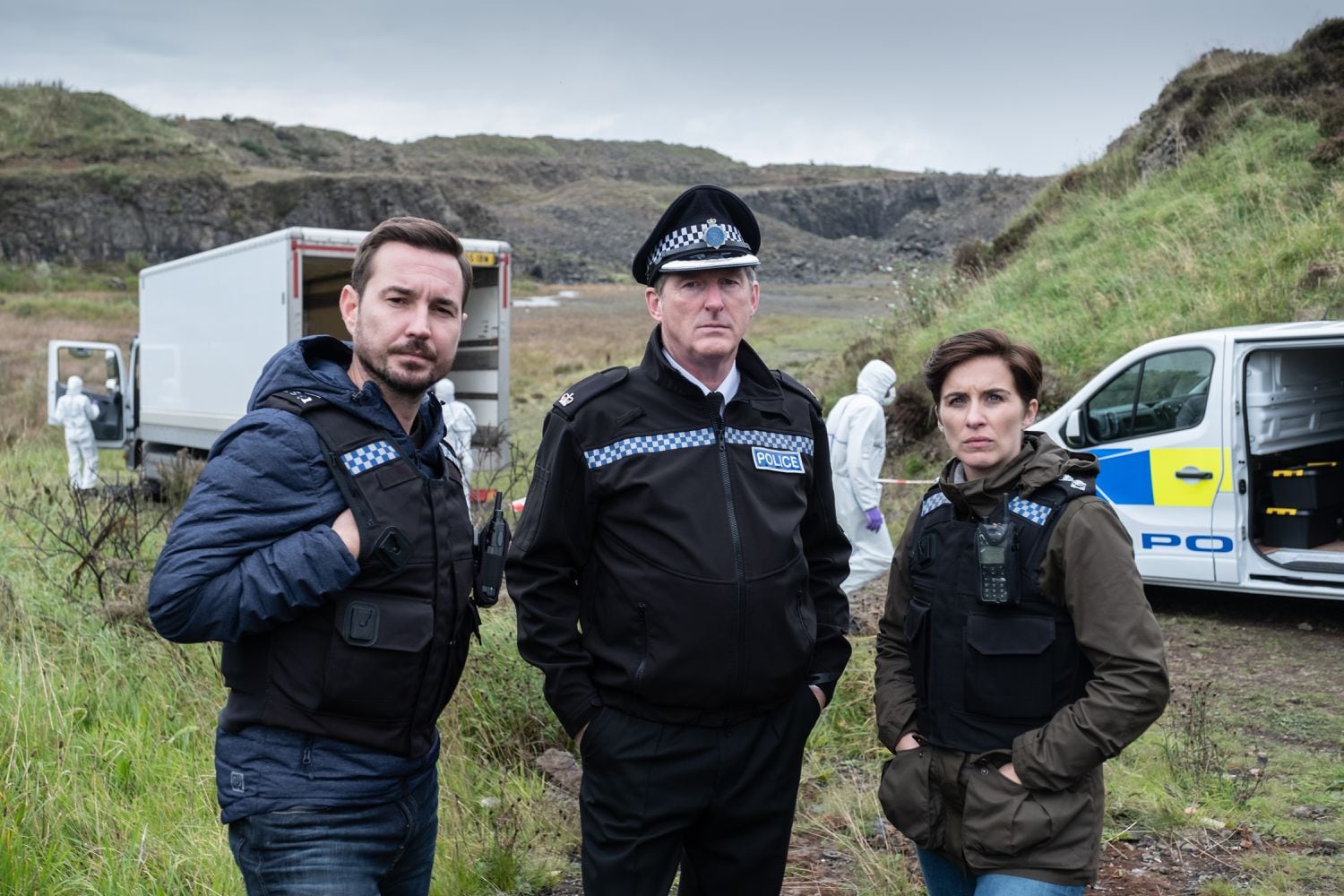
Los protagonistas de 'Line of Duty'.
Line of Duty. Este policial británico es una de las series más adictivas que ha parido La BBC en los últimos tiempos. La historia se centra en el departamento antivicio de la Policía. Los policías que investigan a otros policías. Cada temporada gira en torno a la investigación de un posible policía corrupto. Los agentes Ted Hastings, Kate Fleming y Steve Arnott se encargan en cada temporada de hacer las pesquisas. A las grandes interpretaciones se suman unos guiones que son droga pura y que enlazan giro de guion tras giro de guion. La mejor opción para los amantes de las buenas series de investigaciones policiales. Difícil que te sientas defraudado. ¿Se puede ver del tirón? Se debe. Lo difícil es para hasta terminar una temporada. Ya van cinco emitidas de seis episodios de una hora (menos la primera que tiene cinco capítulos). Movistar + y Netflix.
The Witcher. Una de las narraciones más esquizofrénicas que se han visto en los últimos tiempos en la televisión. Pero una vez que se abandona el intento de entender el orden en el que ocurren los hechos (con diversas tramas que van saltando en el tiempo sin previo aviso), es muy difícil parar un maratón de esta adaptación de la saga de novelas que, a su vez, se adaptaron en un exitoso videojuego. Un inexpresivo Henry Cavill interpreta a Geralt de Rivia, un cazador de monstruos en un mundo lleno de bestias. Su destino estará entrelazado con el de una poderosa hechicera y una joven princesa. ¿Se puede ver del tirón? Por supuesto. De hecho, llega un punto en que, a pesar de no entender nada (ni si quiera por qué Henry Cavill no ha cambiado su gesto en toda la serie), no puedes dejar de verla. De momento, una temporada de ocho episodios de una hora. Netflix.

5. Joyas escondidas en los catálogos

John Adams. La biografía del segundo presidente de Estados Unidos (y padre del sexto) no es solo una lección de historia sobre la forja de la democracia más veterana del mundo, o un retrato de cómo la hoy primera potencia mundial ha vivido pegada a los mismos demonios desde el principio. Es también un entretenimiento de primer orden, con unos actores encantados de ponerse en la piel de George Washington durante la guerra de independencia y posterior presidencia, o Benjamin Franklin cuando era embajador en París. Enmarcada por la rivalidad, sucia e inagotable, entre Adams y su sucesor, Thomas Jefferson, cuenta desde los albores de la revolución de las 13 colonias hasta la muerte de los dos enemigos, el mismo día (4 de julio para más señas), cuando el país ya está encaminado hacia la dominación mundial. ¿Se puede ver del tirón? Con cuidado. Una temporada de ocho capítulos de una hora. HBO.
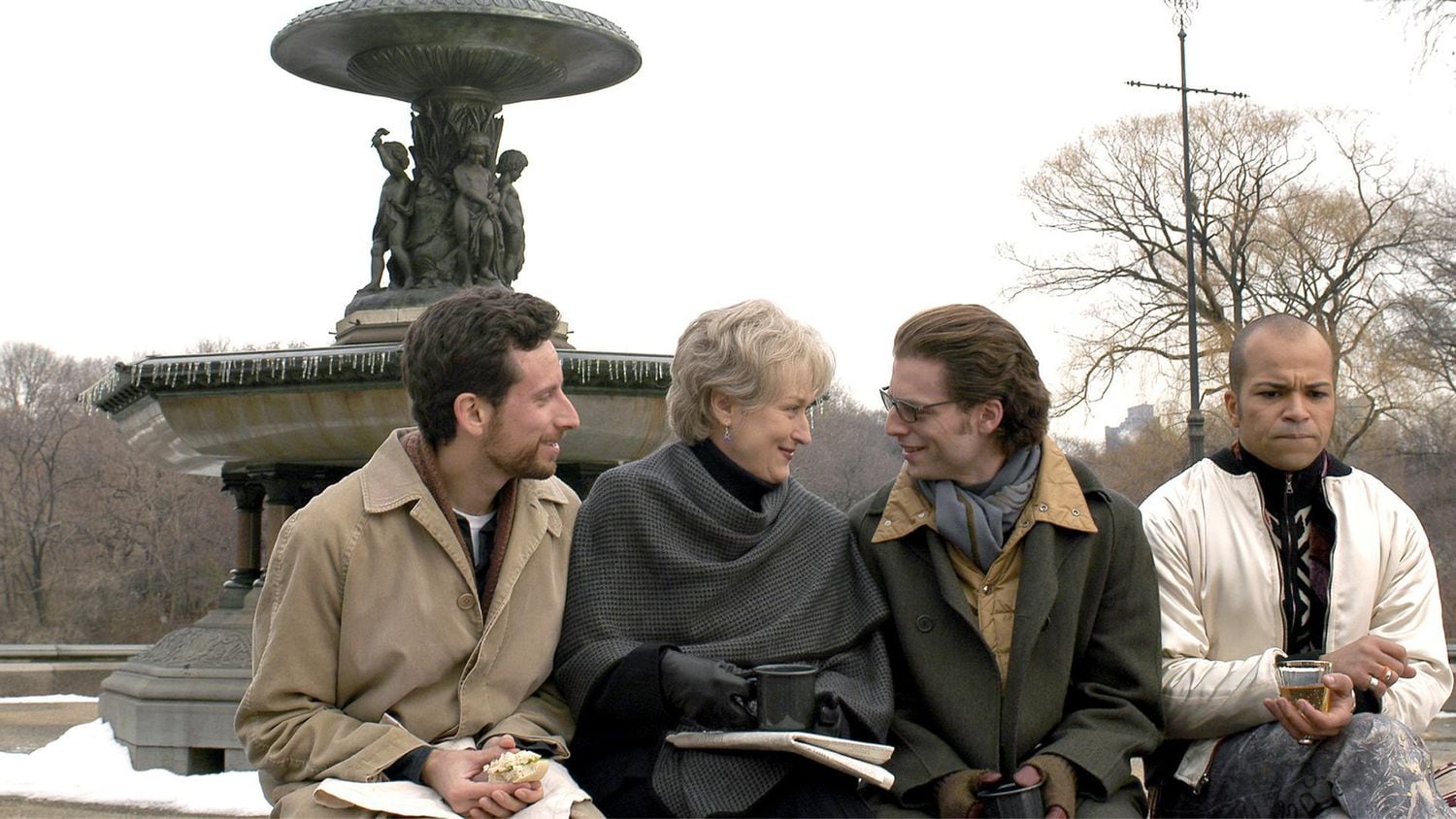
Fotograma de la serie 'Ángeles en América'.

Ángeles en América. Una de las cimas de la dramaturgia estadoundiense fue el estreno de Ángeles en América, una función que duraba siete horas, sobre Nueva York en los ochenta, el sida, el imperio del neoconservadurismo, y qué es lo que lleva a que las muchas comunidades que conforman el país se entiendan entre ellas. La obra, de Tony Kushner, se consideró un clásico en el mismo momento de su estreno; lo mismo que su adaptación a serie, dirigida por el ojo clínico de Mike Nichols, donde estas ideas tan pesadas, y los parlamentos que las expresan, cayeron en manos de Meryl Streep, Al Pacino, Emma Thompson y demás. En su día (2003), The New York Times llamó a esta serie uno de los puntos álgidos del audiovisual mundial. Casi 20 años después sigue siéndolo. ¿Se puede ver del tirón? En teatro se hacía. El primer acto son los primeros tres capítulos. El segundo, los tres siguientes. Pero como todo lo bueno, mejor saborearlo. Seis capítulos de una hora. HBO.
De la Tierra a la luna. Vivimos días históricos, pero no fueron menos clave aquellos donde la llegada del hombre a la Luna era un sueño a punto de ser logrado. Tom Hanks (sin coronavirus a la vista) produjo y participó en esta miniserie, una de las primeras ficciones de HBO, que viaja mucho más allá del transportador del Apollo 11 y de aquel Apollo 13 dirigido por Hanks para colarse en 12 capítulos más desconocidos de las bambalinas de cada uno de los programas lunares. Una lección de historia muy entretenida con Cary Elwes, Sally Field, Rita Wilson, Chris Isaak o Bryan Cranston que cuenta al detalle aquella proeza, desde lo personal a lo global. Porque siempre nos debe quedar esperanza en el ser humano. ¿Se puede ver del tirón? Demasiada información para introducirla de una sentada. Una temporada de 12 episodios, una hora. Se puede ver con niños. HBO España.
Inside nº9. Una de las joyas ocultas de la televisión pública británica es esta antología de humor negro en los que cada capítulo cuenta una historia independiente con géneros y tonos muy diferentes entre sí y cuyo único nexo de unión (además de que en la gran mayoría aparezcan los dos creadores de la serie, Steve Pemberton y Reece Shearsmith) es que sus historias transcurren en algún espacio señalado con el número 9. Cada vez que empieza un episodio sabes que cualquier cosa puede ocurrir, desde reírte a llorar o pasar miedo, y normalmente hay un giro sorprendente en su final. Muy, muy recomendable. ¿Se puede ver del tirón? Se puede, y se puede parar cuando se quiera. Acaba de terminar su quinta temporada, con seis episodios de 25 minutos (y no te pierdas el episodio especial de Halloween, fuera de las temporadas normales). Filmin.
Freaks and Geeks. Si Élite es demasiado para ti, pero te gustaría volver al instituto, esta es tu serie. Nostalgia ochentera mezclada con drama adolescente. Una mirada sarcástica y realista a lo que era el instituto para todos esos que se sentían fuera de lugar. Vamos, para todos. James Franco, Seth Rogen, Jason Segel o Linda Cardellini comenzaron aquí a despuntar como estrellas gracias a su amigo Judd Apatow, y ya no los soltaría nunca. Todo al ritmo de Joan Jett. Lo malo es su cancelación tras una temporada. Aunque quizás por eso se mantiene como un diamante en bruto apto para todos los amantes de la nostalgia bien hecha. ¿Se puede ver del tirón? No hay razón para no hacerlo. Una temporada de 18 episodios, 44 minutos. Amazon Prime Video.
Wallace y Gromit. En la cuarentena hay que tener a los niños entretenidos con algo, y si con ese algo pueden disfrutar los padres, mejor. Décadas después de su estreno, los cuatro episodios de Wallace y Gromit siguen siendo de las obras “infantiles” más divertidas y surrealistas que se han creado nunca. Plastilina con la que siguió jugando el director Nick Park en el sello Aardmand en las encomiables Chicken Run y La oveja Shaun. En caso de desabastecimiento: siempre nos quedará la Luna para llenarnos de queso. ¿Se puede ver del tirón? Y también en bucle. Una temporada de cuatro episodios, de 30 minutos. Se puede ver con niños. Filmin. (Fuente: El País)

Wednesday, February 12, 2020

Fake Photography as Food for Thought


Alison Jackson's photography explores the cult of celebrity and how it's created through imagery and the media. An award-winning artist from the UK, Jackson's work has garnered both praise and condemnation. Many people are now taking notice, including President Donald Trump.

Tuesday, February 04, 2020

Beatles videos + lyrics

Beatlestube.net is a site that tries to organize all The Beatles videos that you can find on the web. There are plenty of Beatles music footage on Youtube™ and Google Video™, but it's difficult to have them in a logical sequence. Beatlestube.net will help you to do that.

If you are looking for all The Beatles videos from an album here is the albums page. Plus you have all the lyrics near the clips and you can post a comment for each video.

Enjoy it!

Lyrics Training / Inglés cantado

Lyrics Training is an easy and fun method to learn and improve your foreign languages skills, like English, through listening to the music and typing the lyrics of famous songs, with the help of subtitles in six languages, classified in three levels.

Sunday, February 02, 2020

Brexit: Bad Advice from the People

By IAN McEWAN

There is no turning back. The stubborn negotiation to say enough about Theresa May, and after Boris Johnson for a brief period, has achieved the most masochistic and meaningless ambition ever dreamed of in the history of the islands. The rest of the world, with the exception of Presidents Putin and Trump, attended the process in amazement and dismay. In December, a majority voted in favor of the parties which called for a second referendum, but these unfortunately could not make common cause. Now we have to pick up the tents, maybe to the sound of church bells, and hope that the 15 years of difficult road we are going to take will bring us back to something similar to what we had, with our multiple trade and security treaties, health and scientific cooperation, in addition to thousands of other useful agreements.The only sure thing is that we will be asking ourselves questions for a long time. Let’s put aside for a moment the lies of the campaign in favor of leaving the EU, its suspicious funding, the Russian intervention or the ineffective Election Commission and let’s think of magic dust. How is it that a question of constitutional, economic and cultural consequences of such magnitude was settled with a simple majority and not with a super majority? A parliamentary document (Briefing 07212) from the time of the Referendum Law of 2015, indicated the reason: the referendum had to be purely consultative. The consultation was to "allow the electorate to express an opinion". How has "consultative" been transformed into "binding"? Thanks to the blinding dust that the populist hands threw into our right and left eyes.

We have endured the crippling bond between the government and the opposition. Corbyn held the door to Europe open for Johnson to cross. In this case, if one went far enough to the left, one ended up meeting the right which came from the other side and threw himself into its arms.
What have we learned in our blindness? That those who did not prosper in the old state of affairs had no compelling reason to vote for their maintenance; that our prolongation of parliamentary chaos was the result of an error in approach when formulating a yes or no question for which there were dozens of answers; that the long-standing ecology of the European Union has deeply influenced the landscape flora of our country and that the uprooting of these plants will be brutal; than what used to be called hard Brexit became soft; compared to the threat of non-agreement which still persists today; that any form of exit, according to the calculations of the government itself, will cause the economy to contract; that we are good in the multiple and bitter division: young against old, cities against countryside, university graduates against those who give up; Scotland and Northern Ireland against England and Wales; that any past, present or future international trade agreement limits our sovereignty, as is the case with the Paris Agreements that we sign or with NATO membership, and that, therefore, "regain control" has been the most promising and empty cynical of this deplorable period.
We were surprised. A few years ago, we were asked to list the country's problems - the gap between the rich and the poor, the overwhelming national health system, the north-south imbalance, crime, terrorism, austerity or the housing crisis, among others - the majority would not have thought of including our membership of the European Union. How happy we were in 2012, with the feeling of satisfaction that followed the success of our Olympic Games. So we didn't think about Brussels. What set us in motion was what Guy Verhofstadt called a "cat fight" in the Tory party. These cats have been fighting for decades. When they dragged us on and pushed us to take sides, we suffered from a collective nervous breakdown. Then enough people wanted the anxiety to go away and wanted "to get Brexit done." Repeated ad nauseam by the Prime Minister, it seemed almost rude to wonder why.
At the very beginning of the referendum campaign, we learned that “at the gates” referred exclusively to emigration, but also that it was the decision of the United Kingdom, and not of the European Union, to authorize the unlimited emigration of persons from countries applying for EU membership before the expiration of seven years of legal residence; that it is the United Kingdom which has chosen to allow emigrants from the European Union to stay in the country for more than six months without work; that the UK has successfully defended EU enlargement to the east, and that it is our country, not the Union, which admits that emigration from third countries continues (and why not?) while that from the EU decreases. We also learned that it was the United Kingdom, and not the European Union, which had decided to replace our patriotic blue passport by a garnet one. Although, when I look at them, my old passports seem almost black to me.

History has committed many injustices with the British state, but very few come from the European Union. Brussels did not insist that we neglect the post-industrial cities of the central and northern regions of England. Nor did he ask us to let wages stagnate, to allow billionaire donations to go to the CEOs of bankrupt companies, or to put shareholder value to social good, to sink our health care system, our social assistance and our Sure Start Family Assistance Program, we will close 600 police stations and allow the breakdown of public education centers.

The task of the Brexit campaign was to convince the electorate otherwise. In the referendum, it obtained a success of 37%, enough to change our collective destiny at least for a generation; to lead a sufficient number of people to believe that the source of all their grievances is a hostile external element is the oldest trick in the populist's manual. Like Trotsky for Stalin, the United States for the mullahs of Iran and Gülen for Erdogan, it's now Brussels' turn.

Hedge fund owners, plutocrats who donate to the cause, Eton elders and newspaper owners present themselves as enemies of the elite. No more magic powders. To say that the problem in Northern Ireland has been resolved is a dangerous hoax. We have seen the shame of the reasoned argument fall. The Brexit impulse contained important elements of the blood and earth ideology with touches of imperial nostalgia. These frightening desires went beyond mere facts.
We adopt a slang: "article 50", "frictionless trade", "just in time", "safeguard". How much we liked to use this slang. We have learned to respect an "invisible border". Before it all started, only a few knew the difference between the customs union and the single market. After three years, little has changed. A survey carried out last year found that many Britons thought that "falling asleep" was the same thing as being on duty. I wish.
Brexit leaders and the Leader of the Opposition have always lacked the time to start the two-year article-50 clock. They were afraid that those who had voted for the exit would change their minds; that among voters who did not go to the polls last time, supporters of the permanence doubled those for the exit, and that young voters who joined the census were overwhelmingly in favor of the European Union. The generals of brexiters they rightly feared a second referendum.
At a minimum, we can all agree that we will be a little poorer. As one of my school teachers said, if it’s really worth doing something, it’s worth it even if it’s done wrong. Theresa May never dared to say that with Brexit we would be better. She did not even tell us if she would vote for the exit in a second referendum. We must recognize her honesty. On the contrary, Boris Johnson, during his presentation to Parliament of his vision of the post-Brexit panorama, promised to close the wealth and opportunity gap between the north and the south of the United Kingdom, and to make the country the nerve center of the most advanced battery technology. He forgot to mention that the European Union had not intervened against the realization of any of these projects.
The redefinition of our new trade relations with the European Union will be a concern that will last for several years. As for the position of the United States, take a good tour of the Midwest of the country and spend a month crossing a desert of monocultures without seeing a wild flower. To compete with this, our agriculture should be ready to receive an injection of hormones. Our farmers should get rid of unproductive hedges, trees that separate fields and three-meter limits, all those parts now pieces of a museum. In its trade talks with the European Union, the United States has not considered tightening its regulations on animal husbandry, food production and environmental protection, although this would have given them access to 500 million consumers. The great American agrarian industry will not change its attitude for a country of only 65 million inhabitants. If we want a deal, we will have to lower the bar.
The times of damage and loss are coming. In a dangerous world beset by noisy "strong men", the European Union was our greatest hope for an open, tolerant, free and peaceful community of nations. The expansion of populism in Europe is already threatening these hopes. Our withdrawal will weaken resistance against the xenophobic tendency. The lesson of our country's last centuries of history is simple: the turbulence on the European continent will lead us to bloody conflicts. Nationalism is rarely a peace project. Neither does it care about the fight against climate change. It prefers to let the tropical forests and the Australian forests burn.
Take a road trip from Greece to Sweden and from Portugal to Hungary. Forget your passport. How rich, what exuberance there is in the gastronomy, customs, architecture and languages ​​of this group of civilizations, and how profoundly and proudly different each national state is from its neighbors. No sign of oppression from Brussels, nothing of the gray commercial monotony of the continental United States. Remember all you learned about the dilapidated and desperate state of Europe in 1945, then contemplate the tremendous economic, political and cultural achievements: peace, open borders, relative prosperity and promotion of individual rights, tolerance and freedom of expression. Until yesterday, it was the place where our older children, if they wanted to, would live and work.
All this is over, and for the moment the force is on the side of English nationalism. Its champion is the pro-Brexit cabinet of Boris Johnson, whose monument will forever remain a mocking smile perfected in the days of the former Soviet Union. I lie, you know, and I know you know, but I don't give a damn. Like when they said that "the five weeks of Parliament's suspension has nothing to do with Brexit". Michael Gove and Jacob Rees-Mogg were the masters of the mocking smile. The premature decision of the Supreme Court which held that the suspension was clearly illegal still stings. Recently, former Interior minister Michael Howard began to murmur against the judges. Expanding political control over an independent judiciary would be in keeping with the Johnson-Cummings project. Hungarian Viktor Orbán leads the way.
Supporters of the permanence have defended a nicer world, but we have always been the herbivores of the debate with our huge bonachonas and our ridiculed demonstrations. "A crowd full of hate," The Sun said; "An elite," The Daily Telegraph wrote. If 16 million is an elite, it’s to be welcomed that the UK is a model of meritocracy.
The truth is that we have been excluded. Thanks to the work and the grace of Corbyn and his mediocre lieutenants, we did not have an effective voice in Parliament. On her first day at the helm, Theresa May promised at the gates of Downing Street that she would rule for all British people. Instead, she threw half of the country to the dogs to appease the right wing of her party. Boris Johnson's rally was originally decided by a very small group of former voters, most of whom have said in polls that they would like Donald Trump to rule the United Kingdom and that they looked forward to hanging being restored. Similarly, Johnson reached the lowest level of populist vulgarity when he declared last June that the country would break away from the EU incubus. His dream has come true.
As for the extremes, we have never stabbed or killed a member of the Brexit Party in the street; we have rarely shown a propensity to send anonymous death and rape threats like the ones Gina Miller, Anna Soubry and many MPs have encountered on numerous occasions. However, anti-Semitic Labor Party emails were shameful, as was the crowd that besieged Rees Mogg's house and made fun of him. But supporters of the permanence do not shrewdly urge our compatriots to cause unrest in the event of a second referendum whose outcome would be unfavorable. About two-thirds of the voters did not vote in favor of the exit. The majority of businessmen, unions, farmers, scientists, finance and the arts were against the Brexit project, and three-quarters of MPs voted to remain. Ignoring the obvious public interest, however, our representatives crouched behind party cliques and "the people have spoken", that grim Soviet phrase, and his successor, "respect Brexit". It was the magic powders that clouded the mind, blinded reason and reduced the opportunities for our children. 
Copyright © Ian McEwan 2020

Tuesday, January 21, 2020

Would you dare to ask yourself who you really are?

El veto parental, desenmascarado

El pin parental y otras armas de coacción
Por PURA SÁNCHEZ
Portal de Andalucía, 26 de diciembre de 2019

El concepto de “pin parental” surgió como un mecanismo de control de los progenitores sobre los contenidos audiovisuales que podían recibir o a los que podían estar expuestos sus hijos e hijas. Han sido las propias plataformas audiovisuales, que elaboran o difunden dichos contenidos, las que han ofrecido a progenitores o tutores legales la posibilidad de bloquear determinados canales o servicios, como el de vídeo bajo demanda.

Desde su aparición, el partido de nombre en latín ha dado sobradas muestras de su agilidad a la hora de hacerse con conceptos, ideas e incluso eslóganes de otros, para adaptarlos perversamente a sus intereses. Así ha ocurrido con el denominado “pin parental”, un mecanismo que, según sus propias declaraciones, tiene como objetivo evitar “el adoctrinamiento en ideología de género que sufren los menores en los centros educativos”; en la práctica, se trata de una solicitud dirigida a la dirección de los centros educativos “para que informen a los padres sobre cualquier materia, charla, taller o actividad que afecte a cuestiones morales socialmente controvertidas o sobre la sexualidad”.

Para los negadores de la violencia machista, este ejercicio de control y coacción se presenta, no podía ser de otra forma, como un acto de protección. Esta manipulación suele ser un clásico de los sistemas autoritarios, que pretenden disolver la previsible reacción contraria al control, presentando las actuaciones coercitivas como actos protectores de un “duce” paternal que cuida de sus díscolos hijos a quienes hay que proteger, incluso de sí mismos.

Pero vamos por partes. En primer lugar, el llamado “pin parental” no está pensado para “las” escuelas, para todas las escuelas, sino solo para aquellas donde no llega, de momento, su control ideológico, es decir, la escuela pública. Por tanto, se trata de instrumentalizar a ciertas familias para que controlen al profesorado de sus hijos e hijas, al que no pagan directamente, porque al que pagan, directamente e indirectamente, en los centros con ideario, caso de la educación privada concertada, a ese ya lo controlan.

En segundo lugar, la supuesta protección se ejerce de manera que entorpezca todo lo posible el que otro alumnado reciba esos contenidos; es decir, por razones prácticas, para hacer factible el uso del “pin parental”, lo mejor sería eliminar determinados contenidos “controvertidos”, conformando de paso un alumnado que en poco tiempo pueda ser potencial votante del partido. Y tan contentos.

En tercer lugar, para tratar de justificar su petición, invocan “su” derecho a ejercer dicho control. De nuevo, en el contexto educativo, el concepto de derecho aparece manipulado, como cuando se invoca el presunto derecho de las familias a “elegir” la educación de sus hijos e hijas. Un derecho que puede ejercerse, sin duda, pero no hay obligación de que dicha elección la paguemos a escote todos y todas, tanto quienes  pueden permitirse elegir, como quienes no. En cuanto al derecho a controlar la formación moral o religiosa que reciben sus vástagos, efectivamente, pueden e incluso deben hacerlo, pero hay valores y contenidos que no están en cuestión. Por poner un ejemplo: no son cuestionables los valores éticos ligados a la defensa de los derecho humanos.

Ocurre además que sus ansias controladoras no se quedan en lo que se declara, que ya es lo suficientemente ambiguo, transversal, dicen, como para que se pueda intentar intervenir tanto los contenidos de ciencias sociales como los de valores éticos o los de ciencias físicas. De hecho, la memoria histórica, o cualquier contenido relacionado con la historia del siglo XX, en España o Andalucía, también quiere ser controlado e intervenido.

Traigo aquí a colación lo sucedido en Sevilla, en el mes de noviembre último, en un centro de Secundaria y Bachillerato, a propósito de unas jornadas de memoria histórica que quisieron impedir; presumiblemente una persona con acceso directo al grupo parlamentario del partido de nombre en latín movió ficha para movilizar a la inspección educativa provincial. Al objeto de darle a la posible intervención manu militari apariencia de protectora legalidad, se encargó expresamente analizar los contenidos que se iban a difundir por si contuvieran un nivel de violencia inadecuado para el alumnado. Vaya a ser que los y las jóvenes estudiantes se enteraran de que las fuerzas paramilitares de Falange rapaban y violaban sistemáticamente a las mujeres rojas, animados por las charlas radiofónicas del general genocida Queipo de Llano y ello hiriera su joven sensibilidad…

Y luego está la cuestión de la ideología. La secta abascaliana, y otros partidos que incluso se atreven a llamarse “constitucionalistas”, acostumbran a denominar “ideología” a todo cuanto no coincide con su esquema de pensamiento. Pretenden hacernos creer, por una parte, que ellos carecen de ideología y, por otra, que toda ideología manipula y oculta la realidad, cuando en verdad ideología es cualquier conjunto de ideas que caracterizan a una persona o a un colectivo y que componen su cosmovisión.

La puesta en marcha de procesos de control, manipulación y coacción, con mecanismos tales como el llamado “pin parental”, está empezando a tener nefastas consecuencias dentro y fuera del sistema educativo público. En primer lugar, en no pocos claustros, de forma individual o colectiva, ha empezado a funcionar la autocensura. En segundo lugar, hay que decir que cuando se somete a alguien a este control arbitrario, injusto e injustificable, se arroja una sombra de sospecha sobre él, convirtiéndolo en persona no digna de confianza. Se tarda mucho en conseguir que familias y profesorado tengan una relación de confianza y está comprobado que es uno de los factores que inciden positivamente en la educación del alumnado. La quiebra de esta confianza, más pronto que tarde, vendrá a incidir también en el deterioro de la educación pública, de manera que sea todo el sistema el que resulte sospechoso.

En cuanto al adoctrinamiento, precisamente la clave para evitarlo no es el control ni la coacción, sino posibilitar que el alumnado pueda acceder al conocimiento a través de personas diversas, con ideologías diversas y formas de pensar diversas, de modo que la institución escolar sea ese lugar en el que, como en la vida, nos encontramos la diversidad dentro de la escuela. Por definición, una escuela adoctrinadora es aquella que deja la diversidad fuera.

Hay que decir de una vez que la escuela pública no adoctrina, excepto cuando se “imparte” religión, en días y horas concretos, por un no profesional de la enseñanza, elegido por la autoridad eclesiástica y pagado con fondos públicos, de un estado que se declara aconfesional. El resto de los contenidos de la escuela pública están regulados y presididos por los principios del rigor, el cientifismo y los valores que consagran los derechos humanos, esos que también garantizan la dignidad, la vida y la libertad de los liberticidas, los indignos y los intolerantes. La cuestión es paradójica y nuestra deficiente democracia soporta mal las paradojas; que quienes quieren acabar con la tolerancia y la libertad de ideas y de pensamiento, estén esgrimiendo para lograrlo precisamente la tolerancia y la libertad es una prueba de ello.

Es importante enfrentar esta situación redoblando los esfuerzos por trabajar colaborativamente desde los centros educativos con las familias, prestando apoyo a quienes se pretende desprestigiar o convertir en sospechoso, evitando la autocensura y combatiendo la coacción y el control de forma que a quienes pretenden acabar con la libertad de ideas y pensamiento no les salga gratis.

De nosotros y nosotras, del profesorado, pero también de la sociedad civil, de todos y todas depende que resolvamos la paradoja o que dejemos a quienes “oran y embisten, cuando se dignan usar la cabeza” que campen a sus anchas.

Sunday, January 19, 2020

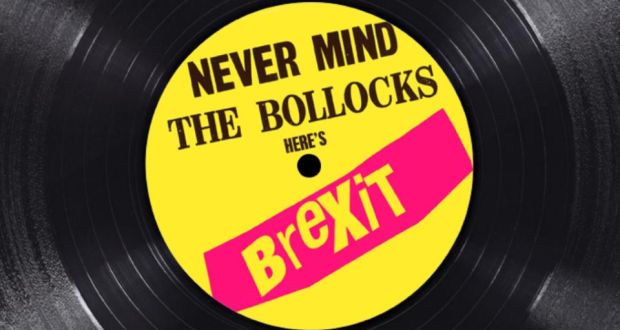
Never Mind the Bollocks, Here’s Brexit

By FINTAN O'TOOLE
The Irish Times, December 1st, 2018

The UK’s decision to leave the EU is like living through the anarchy of punk all over again


If you are English and in your 50s or early 60s, two things are likely to be true of you. One is that in 2016 you voted to leave the European Union: 60 per cent of both men and women in the UK aged between 50 and 64 did so.
The other is that you were, in the immediate period after the UK joined the Common Market, a punk. Or if not an actual punk, then a vicarious one, living off the thrills of the most powerful and original English cultural movement of modern times.
These two truths are closely related. At the level of high politics, Brexit may be defined by upper-class twittery. It seems more PG Wodehouse than Johnny Rotten. But at the level of popular culture, it is pure punk. John Lydon (formerly Rotten), having initially opposed Brexit, later identified himself with it: “Well, here it goes, the working class have spoke and I’m one of them and I’m with them.”
In a sense, this is the wrong way round – they are with him, or at least with the Johnny Rotten of the mid-1970s. Had it not had the genius of Take Back Control, a perfect slogan for the Leave campaign would have been Never Mind the Bollocks, Here’s Brexit! For it is in punk that we find not just the nihilistic energy that helped to drive the Brexit impulse but, more to the point, the popularisation of masochism. What heroic failure and fantasies of Nazi invasion did for the middle and upper classes, punk did for the young and the working class.
Many Brexit voters were formed by its most breathtaking, counterintuitive stylistic gesture – the idea of masochism as revolt, of bondage as freedom. Punk took bondage gear out of the bedroom and on to the street; Brexit took coterie self-pity out of the media-political boudoir and into real politics.
Objectively, the great mystery of Brexit is the bond it created between working- class revolt on the one side and upper- class self-indulgence on the other. There would seem to be an unbridgeable gulf of style and manner – let alone of actual economic interests – between the stockbroker superciliousness of Nigel Farage or the self-parodic snootiness of Jacob Rees-Mogg on the one side and the raw two-fingered defiance of working-class patriotism on the other. Brexit depended on an ostensibly improbable alliance between Sunderland and Gloucestershire, between hard old steel towns and rolling Cotswold hills, between people with tattooed arms and golf club buffers.
One great binding agent was Anarchy in the UK, the sheer joy of being able to f**k everything up. Boris Johnson, who used The Clash’s London Calling as the theme song for his successful campaign to be mayor of London, also chose the same band’s version of Pressure Drop on Desert Island Discs in October 2005.
On that programme, in a rare moment of self-reflection, Johnson spoke of the pleasure of making trouble that motivated his mendacity: “So everything I wrote from Brussels, I found was sort of chucking these rocks over the garden wall and I listened to this amazing crash from the greenhouse next door over in England as everything I wrote from Brussels was having this amazing, explosive effect on the Tory party, and it really gave me this, I suppose, rather weird sense of power.”
Essentially, this differs not at all – either as a psychological satisfaction or as a career move – from the way Johnny Rotten made himself famous: “Johnny Rotten, a member of the group,” the Guardian reported in 1976 after The Sex Pistols had exploded into wider British consciousness in an outrageously offensive TV interview, “said in a BBC interview that he had launched himself to stardom by walking up and down the King’s Road in Chelsea, spitting at people. ‘I did it because they were stupid’.”
Throwing rocks over the garden wall to hear the crash from the neighbour’s greenhouse windows is the upper-middle-class Home Counties version of spitting at people on the King’s Road because they are stupid. And each has the same performative quality of edgy clowning in which everything is at once very funny and highly sinister.
The somewhat despairing question that Bill Grundy asked in his notorious Sex Pistols TV interview – “Are you serious or are you just… trying to make me laugh?” – hangs over Johnson’s entire political and journalistic career. Tory anarchism always had a taste for the outrageous: before the Sex Pistols said “f**k” on television, the last person to do so was Sir Peregrine Worsthorne, then deputy editor of the Sunday Telegraph and an obvious journalistic model for Johnson.
They are all bad boys. It is not accidental that the far-right Faragist side of the Brexit movement chose to paint itself as a political wing of the Sex Pistols. Its supplier of dark money, Arron Banks, called his hastily cobbled-together book The Bad Boys of Brexit: Tales of Mischief, Mayhem & Guerrilla Warfare in the EU Referendum Campaign. “Let’s shake this up,” Banks records himself saying to Farage in July, 2015, as they are planning what would become an openly racist campaign. “The more outrageous we are, the more attention we’ll get; the more attention we get, the more outrageous we’ll be.”
Mischief, mayhem, bad boys, brutal laddish mockery, the knowledge that the more outrageous they were the more attention they would get – all of this was pioneered by the Sex Pistols’ Svengali, Malcolm McLaren.
It would be a good quiz question to ask whether this passage is by McLaren or Banks: “I had created a feeling that was both euphoric and hysterical. On that tour bus, you couldn’t help but be aware of an enormous range of possibilities – that whatever was happening couldn’t be predicted, that it was a movement towards a place unknown. We had the means now to start a revolution of everyday life.” It is actually McLaren on the Pistols’ first tour, but it could describe the careening course of the Brexit campaign.
This is an edited extract from Fintan O’Toole’s Heroic Failure: Brexit and the Politics of Pain, published by Head of Zeus; Jonathan Coe reviews it here

How To Become Bilingual

By CARLOS MARTÍN GAEBLER

Being able to speak English as a second language opens up a world of opportunities for you in many walks of life. Speaking a foreign language not only makes you a richer person both socially and culturally, but also allows you to feel like a citizen of the world. A reasonable competence in understanding and speaking the English language will certainly make you feel confident wherever you go, even in Europe! Within the European Union alone there are several countries, apart from Ireland, where English is broadly spoken by the majority of the population, which makes it easy to get by. Such is the case with Sweden, Denmark, Holland or Malta.

Travelling offers you the best way to practise your English. In this respect, the Erasmus Mobility Programme provides Spanish university students with the best chance to acquaint themselves with their European fellow students. Bear in mind that quite a number of European universities offer some of their courses in English. So you might want to consider the possibility of applying for an Erasmus grant and spending a few months at another European university. Studying for a year abroad should be an integral part of every young Spanish university student’s education. It always turns out to be a once-in-a-lifetime experience and I warmly encourage you to seize the opportunity. You’ll never regret it later! Also remember that travelling in Europe has become much easier after the euro, the European single currency, has been adopted by nineteen EU countries.

It is common knowledge that tourism has become Seville’s number-one industry. Thousands of people work or intend to work in this field, but sadly enough very few of them could claim that they have an acceptable level of English. It is a fact that the level of English of local shop assistants, taxi drivers, waiters or bank clerks, for instance, leaves a lot to be desired. Being competent in English should go with certain jobs, even if some do not seem to see the logic of it. In this case, speaking a foreign language is just another way of being hospitable.

Finally, one of the best and most enjoyable ways of achieving some kind of bilingual ability is watching films in their original English version. In Seville you can now do so at the Avenida, Nervión Plaza or Metromar cinemas (in Málaga at the Albéniz and Plaza Mayor cinemas), which regularly show English-speaking films with Spanish subtitles. Netflix or Movistar also allow you to watch films, series or documentaries in English with Spanish or English subtitles. Not only will you learn new expressions or recognise the ones you have already learnt, but you will also enjoy the different accents of great actors and actresses, because, as any film lover would tell you, a good film is a magical combination of moving images and human voices, and the latter should never be dubbed.

In short, being bilingual will broaden your perception of the world around you and will give you the tools to become part of the multilingual global society we live in. If you overcome your initial communicative shyness and reach the point when you feel confident to speak today’s lingua franca at any time anywhere, you will have the world in the palm of your hand. If other Europeans can do it, so can you! Remember the saying, “Where there’s a will there’s a way.” Have a go and enjoy the difference!

Discover Europe on InterRail

Interrailers from Algeciras en route from Bruges to Antwerpen.
The time has come to make that InterRail trip! Take to the rails for a whistle-stop tour of Europe. Meet other travellers, improve your English, experience everything Europe has to offer and collect lifelong memories along the way.

Europe's modern rail network makes train travel easy, comfortable, efficient and environmentally-friendly. With an InterRail Pass you have the freedom to travel wherever you want in and between all of 30 participating European countries for a certain period of time. The main exception is that high-speed trains and night trains often require a paid seat reservation. Step on board the train with your buddies and discover Europe's secrets.

Here are 7 Interrail tips to fall in love with train travel in Europe, plus 10 cheap backpacking tips. You can easily book accommodation at Youth Hostels around the continent. Bon voyage!


Related articles: 
Cómo viajar de Lisboa a Atenas en tren de la forma más barata
Los primeros del Interrail gratis vuelven a casa
Abierto el plazo para solicitar Interrail gratis

Monday, December 23, 2019

The Prado Museum: A Collection of Wonders_documentary


We are in one of the temples of world art, a site of memory and a mirror to the present with 1700 works exhibited and a further 7000 art treasures preserved there. Its collection tells the story of kings, queens, dynasties, wars, defeats and victories, as well as the story of the feelings and emotions of the men and women of yesteryear and of today, whose lives are intertwined with the museum’s: rulers, painters, artists, architects, collectors, curators, intellectuals, visitors.
In 2019, the year of its 200th Anniversary celebrations, telling the story of the Prado in Madrid from the day it was “founded” – that 19th November 1819 when mention was first made of the Museo Real de Pinturas – means covering not only the last 200 years, but at least six centuries of history. The life of the Prado collection began with the birth of Spain as a nation and the marriage between Ferdinand of Aragon and Isabel of Castile, a union that marked the start of the great Spanish Empire. Yet, for a long time over the centuries, painting had been a universal language that knew no boundaries. If there is one museum where it is clear that painting was not affected by nationalism, then that museum must surely be the Prado, with its eclectic and multifaceted collections demonstrating that art has no passports limiting its circulation, that rather it is a universal means to understand and convey the thoughts and feelings of human beings.
For this reason, taking the leading role in THE PRADO MUSEUM. A COLLECTION OF WONDERS are its art masterpieces and the great artists who made them, the crowned heads who collected them, but also the European and libertarian inspiration behind a museum and its wealth of art treasures and stories. Furthermore, there is an extra-special feature: Oscar® winning actor Jeremy Irons will be guiding spectators on a discovery of a heritage of beauty and art. Starting from the Salón de Reinos, in a deliberately bare architectural style that comes alive with people, lights and projections, taking the visitor back to the glorious past of the Spanish monarchy and the Siglo de Oro, when hanging from the walls then were many of the masterpieces exhibited today at the Prado. At that time, the space was used for dancing, holding parties and giving theatrical performances. This was a vibrant core of Madrid and of Spain as a whole, as was the Barrio de las Letras, where writers and artists from the Siglo de Oro lived, and, in the 20th century, the Residencia de Estudiantes, where intellectuals from the Generation of 1927 would meet, including Buñuel, Lorca and Dalí.
The paintings in the Prado reflect a unique epic era, that gave rise to one of the most important museums in the world. This is a collection put together “more with the heart than the head” because kings and queens chose only what they loved. It is an inventory of tastes and pleasures that tells the story of public events, dynasties, cardinals, wars and coalitions. It is also an inventory of private matters: a wedding, a lavishly laid table, the madness of a queen. It is a close network of crowned heads, hidalgos, majas y caballeros, each with their lives, truths and messages. It is the story of an era of great patronage, of the Spanish monarchs’ love for the great masters, like Goya, whose strong presence at the Prado is a body of work totalling over nine hundred items, including most of his drawings and letters. Goya’s art has influenced many modern artists, as is the case with 3rd May 1808, a painting that depicts the effects of the Spanish revolt against the French army. This work would become a symbol of all wars and would give Picasso the inspiration for his Guernica. Like Picasso, Dalí and García Lorca were also captivated by the museum, while writer and painter Antonio Saura, who would continuously go there to bask in its magical atmosphere, called the Prado “a wealth of intensity”. So, this is art that illuminates the present and asks us: what has the Prado Museum been in these two hundred years, what is it today and what will it continue to represent for future generations – this living museum, a beacon for all Spaniards during the dark moments of the dictatorship, and a home to return to for exiled artists and intellectuals?
The aim of the authors, consequently, was to tell the story not only of the formal beauty and enchanting appeal of the Prado collection but also about how much the themes of the works exhibited are current today, and how through the history of art, they can also be a narrative of society, with its ideals, its prejudices, vices, new ideas, scientific discoveries, human psychology and fashions.
THE PRADO MUSEUM. A COLLECTION OF WONDERS is not only about these extraordinary works of art, which are the heart and soul of the documentary, but also about the landscape, the Royal palaces and buildings that set the scene and saw the birth and development of these art collections. This heritage is universal and includes not only the works of Velázquez, Rubens, Titian, Mantegna, Bosch, Goya, El Greco preserved in the Prado, but also the Escorial, the Pantheon of the Royal family, the Royal Palace of Madrid, the Convent of Las Descalzas Reales, the Salón de Reinos. It is a fresco contrasting interiors and exteriors, paintings and palaces, brushstrokes and gardens. 

The birth of the Prado Museum is an engaging story. In 1785 Charles III of Bourbon commissioned court architect Juan de Villanueva to design a building to house the Gabinete de Historia Natural. It would never serve that purpose. The building was transformed into the Museum we know today. Walking through this place of beauty means never ceasing to be amazed, removing prejudices and contradictions, discovering the myths and symbols of a wonderful, sometimes revolutionary, world. It means an interactive exchange through the history of art. It means being enraptured by masterpieces such as the Deposition by Flemish artist Van der Weyden, Adam and Eve by Titian, the Black Paintings of Goya’s later years, Las Meninas by Velázquez (“The air in Las Meninas is the best quality air that exists“, declared Dalí), El Greco’s twisted, elongated, unconventional figures, The Garden of Earthly Delights by Bosch, which arouses curiosity, expectation, attention in visitors of any nationality and culture, or the work of the Flemish Clara Peeters, who had the courage to paint miniature self-portraits in her still-life paintings and stake a claim for the role of female artists, or even Ribera’s The Bearded Lady, where a woman, face covered by a thick beard, breastfeeds the new-born baby she holds in her arms.
Next showing at Avenida cinema: Thursday, January 23, 8pm