Sunday, May 20, 2018

Han secuestrado nuestras mentes


Por CARLOS MANUEL SÁNCHEZ
XLSemanal, 13 de mayo de 2018

Noticias falsas. Manipulación. Falta de privacidad. Los escándalos relacionados con las redes sociales han desatado una corriente crítica... entre sus propios creadores. Denuncian que la tecnología nos ha vuelto a todos adictos. Y que las compañías informáticas lo han hecho a sabiendas. Reclaman que los ciudadanos se conciencien y que los gigantes tecnológicos contraten filósofos. No para que les enseñen la obra de Platón, sino para que cambien radicalmente el diseño de los móviles. «Han secuestrado nuestras mentes. Nuestras decisiones no son libres, están marcadas por sus intereses, que no son los nuestros. Imponen la manera de relacionarnos, condicionan nuestra capacidad de conversar y ponen en peligro la democracia. ¿Quiénes? Los ingenieros de Google, Facebook y Apple».

Quien dice todo esto es Tristan Harris, de 34 años, un filósofo muy peculiar. La revista The Atlantic lo describe como «lo más parecido a la conciencia de Silicon Valley». Harris lidera una revuelta para poner la tecnología al servicio de la humanidad, porque considera que la humanidad está ahora al servicio de los gigantes tecnológicos.

Lo que hace especial a Harris es su currículum: no es un profeta de la desconexión que pretende que volvamos a los tiempos en los que un teléfono solo servía para llamar por teléfono. No, Harris era uno de ellos… Uno de esos ingenieros brillantes y algo endiosados de Silicon Valley, jefe de diseño ético de Google, nada menos. Un puesto que abandonó cuando se percató de que sus colegas, que asentían con la cabeza cuando les hacía una presentación con diapositivas, se olvidaban de la ética en cuanto volvían a sus puestos.

Una larga lista de renegados
Lo más extraordinario es que Harris no es el único renegado. Otros tan brillantes como él se han unido a la causa. Pioneros, altos ejecutivos, inversores… Harris ha creado el Center for Humane Technology (‘Centro por una Tecnología Humana’). Su objetivo es cambiar un modelo de negocio basado en la economía de la atención. «Lo que empezó como una carrera por monopolizar y monetizar nuestra atención está erosionando ahora los pilares de nuestra sociedad: la salud mental, la democracia, nuestras relaciones sociales y nuestros hijos».
“Los gigantes de Silicon Valley nos han convertido en adictos. Sus ingresos publicitarios dependen de ello. Hay que obligarlos a que rediseñen sus productos”
«Para captar nuestra atención, los gigantes de Silicon Valley nos han convertido en adictos», denuncia. Lo han hecho a sabiendas y desde el principio porque sus ingresos publicitarios dependen de ello. Y les ha ido fenomenal, sostiene Harris. «Se han hecho inmensamente ricos. Y encima argumentan que lo han hecho por nuestro bien».
Para revertir el proceso, la primera opción son las medidas legales, pero parece poco probable que los gobiernos estadounidense o europeos vayan a poner toda la carne en el asador para proteger a la ciudadanía de la manipulación, el engaño y la explotación por parte de las corporaciones tecnológicas.
La otra forma es crear una conciencia pública de la necesidad de esa autorregulación. Harris y los otros ‘arrepentidos’ de las tecnológicas son los abanderados de este movimiento que ya puede apuntarse un logro: los CPO. Son las siglas de chief philosophy officer, un jefe de Filosofía. Reclaman que las empresas contraten a filósofos para que trabajen en sus oficinas a tiempo completo.
El interés de Silicon Valley por la filosofía no es nuevo. Se remonta al programa Symbolic Systems, o Symsis, establecido en 1986 por la Universidad de Stanford. Este programa tenía el propósito de formar a la siguiente generación de altos directivos de la tecnología. Analizaba la comunicación entre el ordenador y el ser humano por medio de la neurociencia, la psicología y la filosofía contemporánea. Marissa Mayer -la antigua consejera delegada de Yahoo-, Reid Hoffman -cofundador de LinkedIn– y Mike Krieger -cofundador de Instagram- siguieron estos cursos.
Pero lo que en principio debía ser una herramienta para el bien acabó desviándose de su objetivo ante la fascinación por el poder de la neurociencia y la psicología del comportamiento en el corto plazo. La filosofía no funciona a golpe de clic, pero la manipulación sí.

El rey midas de la persuasión
En 1998, B. J. Fogg, un recién doctorado en Psicología Experimental de Stanford, creó The Stanford Persuasive Technology Lab. y se centró en investigar cómo los móviles pueden ‘motivar’ a la gente. El campo de investigación se llama ahora mobile persuasion y Fogg se ha convertido en el ‘rey Midas del conductismo’.
Fogg es, de hecho, el padre del ‘diseño del comportamiento’, una manera eufemística de referirse a la manipulación de los usuarios para que hagan clic on-line. Por ejemplo, premiando con un ‘me gusta’ instantáneo cuando alguien sube una foto. Algo que parece bastante inocente, pero que es una manera de reforzar ese comportamiento y convertir una actividad ocasional en un hábito diario.
Las aplicaciones más exitosas recurren a las pulsiones y necesidades más hondamente arraigadas en el ser humano. LinkedIn, por ejemplo, creó un icono para representar el tamaño de la red de contactos de cada usuario, estimulando nuestra necesidad innata de aprobación social. La reproducción automática de la siguiente canción (Spotify) o vídeo (YouTube) es otra técnica. Facebook notifica al que envía un mensaje cuando lo lee el receptor, lo que activa en este el sentido social de la reciprocidad, muy imbricado en el cerebro, y lo anima a responder. Snapchat va más allá: el usuario es informado en el momento mismo en que un amigo le está escribiendo, lo que presiona a este a terminar y enviarle el mensaje que ha empezado… Todas las aplicaciones recurren a nuestro afán de acumular: contactos, ‘me gusta’, comentarios, visitas…

El salvaje oeste
Tristan Harris fue uno de los que acudió al máster de técnicas de persuasión que dirige el psicólogo experimental B. J. Fogg. El curso de Fogg estaba estructurado en diez sesiones, Harris no pudo terminarlo. Le rechinaba que apenas se plantearan dudas éticas. Fichó por Google porque, según él, es la primera línea del frente. «Controla tres plataformas decisivas en nuestras vidas (no solo el buscador): el correo electrónico (Gmail), el sistema Android de los teléfonos móviles y el navegador Chrome». Harris intentó que Google se replantease sus productos. Se despidió frustrado.
“Se podría eliminar muy fácilmente el panel deslizante de Twitter, pero la gente lo adora y son incontables las aplicaciones que lo utilizan”,-Loren Brichter-.
«Vivimos en una inmensa ciudad digital. Es el nuevo entorno. Y es una ciudad sin ley, como el Salvaje Oeste -dice Harris-. Son nuestras vidas las que están en juego. Nuestro tiempo. El coste de oportunidad de no hacer las cosas que podríamos hacer si no estuviéramos condicionados para consumir tecnología de manera compulsiva. El adolescente que abandona Snapchat se arriesga, además, a perder una manera fundamental de comunicarse con sus amigos. Y el empleado que no responde a un correo de su jefe fuera de horas puede perder oportunidades profesionales». Harris matiza que no aboga por dejar de usar la tecnología. Lo que pide es que los ciudadanos y los políticos presionen a las tecnológicas para que rediseñen sus productos pensando en los usuarios y no solo en su propio beneficio. «Si nadie las obliga, no lo van a hacer por sí solas».
Tampoco los usuarios por sí solos pueden combatir el problema. «El sistema es mejor a la hora de secuestrar los instintos que usted controlándolos. Hay que gastar una enorme cantidad de energía para evitar que nos manipulen. La gente cree que otras personas sí pueden ser persuadidas, pero no ellos. Y que, si te conviertes en un adicto, es por tu culpa. Porque eres débil. Porque caes en la tentación. Pero no se percatan de que hay un ejército de ingenieros que se valen de todo tipo de técnicas para convertirlos en adictos, que saben cómo generar ansiedad y la sensación constante de que te estás perdiendo algo».
Está claro, admiten, que la reflexión ética no puede sustituir a las obligaciones legales, pero en el medio plazo hay que cambiar la ‘filosofía’ del negocio en sí mismo.

Por qué esta vez puede ser diferente
El escándalo por las noticias falsas, la filtración de datos de Facebook para que una empresa del ultraconservador Robert Mercer pudiese manipular a los votantes, la intervención de Rusia en el hackeo de ordenadores del Partido Demócrata… Donald Trump ha alterado la vida política de Estados Unidos desatando procesos sociales imprevisibles hace poco más de un año.
La comparecencia de Mark Zuckerberg ante el Senado del país para dar explicaciones sobre la falta de seguridad en Facebook es un síntoma de la alarma entre los empresarios de Silicon Valley ante el desencanto de los usuarios con las redes sociales y la exigencia de unos mínimos éticos en su funcionamiento. Pero no son solo las redes sociales, la inteligencia artificial, que avanza de manera exponencial, es aun más inquietante.
Y aquí entran los filósofos. Son ellos los que pueden ayudar a determinar a qué reglas tienen que atenerse los desarrolladores. ¿Hay que programar tales algoritmos con el único objetivo de maximizar el tiempo que el usuario dedica a la plataforma, con independencia de lo que tales contenidos puedan representar para el usuario? Un CPO puede contribuir al desarrollo de unas directrices o protocolos favorecedores de una programación más ‘moral’.
Christian Voegtlin, profesor de responsabilidad social corporativa en la escuela de negocios francesa Audiencia, lo tiene claro: «La filosofía puede ayudar a establecer unos propósitos y una dirección. Es importante a la hora de responder a las preguntas sobre cómo convivimos y cómo tratamos a los demás. ¿Son los consultores filosóficos una excentricidad de Silicon Valley? También lo fueron los primeros directivos de responsabilidad social corporativa y hoy están en todas las empresas”
¿Esto de los CPO o consultores filosóficos no será la enésima excentricidad de Silicon Valley? Voegtlin no lo cree: «La contratación de filósofos es un fenómeno nuevo, emergente. Seguramente va a resultar controvertido. En una primera etapa es de esperar que los filósofos se encuentren con dificultades parecidas a las de los primeros directivos especializados en la responsabilidad social de las corporaciones. Han de hacerse oír en un entorno que sigue otorgando prioridad a la obtención de beneficios. No solo eso, sino que se encuentran con el problema de traducir complicados pensamientos filosóficos a un lenguaje práctico, de aplicación en el mundo de los negocios. Lo que siempre ha supuesto una dificultad para los filósofos».

La ética del diseño
Precisamente, para hacer que las teorías éticas se materialicen, filósofos como Evan Selinger -profesor del Departamento de Filosofía del prestigioso Instituto de Tecnología de Rochester- proponen empezar por algo tan ‘tangible’ como el diseño de la tecnología. «Si las compañías de verdad quieren hacer las cosas mejor, deben revolucionar éticamente el diseño de sus productos. No se trata solo de los impenetrables términos de los contratos de servicio, que nos mantienen en la ignorancia de modo premeditado. El diseño de las cosas influye en nuestra manera de percibir los riesgos y las recompensas». El diseño nunca es neutral.
Así lo dejó claro un memorando filtrado hace poco, escrito por el vicepresidente de Facebook, Andrew Bosworth: «Todos y cada uno de los detalles en el diseño de Facebook tienen la función primordial de conseguir que no ceses de compartir cosas y de que te sientas muy contento al hacerlo».
“El diseño es una cuestión ética de primer orden, pero no está regulado. Los legisladores se centran en el procesamiento de datos, pero ignoran el poder del diseño de las tecnologías”
Woodrow Hartzog, profesor de derecho y ciencia computacional, autor de Plan de privacidad. La batalla para controlar el diseño de las nuevas tecnologías, lo tiene claro: «Hay una razón por la que el diseño hoy es una cuestión ética de primer orden: porque las leyes y las normativas apenas le han prestado atención. Los legisladores se centran en el procesamiento de datos, pero ignoran las normas imperantes en el diseño de las tecnologías digitales».
En el Center for Humane Technology, que dirige Tristan Harris, ya han comenzado a hacer propuestas concretas para remodelar ese diseño.

Más escéptico, Scott Berkun -un antiguo ejecutivo de Microsoft y licenciado en Filosofía- afirma que ve muy difícil que en Silicon Valley se acabe valorando realmente el potencial de la filosofía. «Si Sócrates levantara la cabeza, se sentiría anonadado al ver que tantos jóvenes dedican su tiempo a cosas que ni mejoran el mundo ni los hacen mejores a ellos».

Connected, but alone? TED Talk

Saturday, May 19, 2018

A feel-good article about Spain (and we needed it)

“I have no reason to lie when I tell you that everything is better in Spain”

British concert pianist James Rhodes explains why he calls Madrid and not the UK home.

By JAMES RHODES


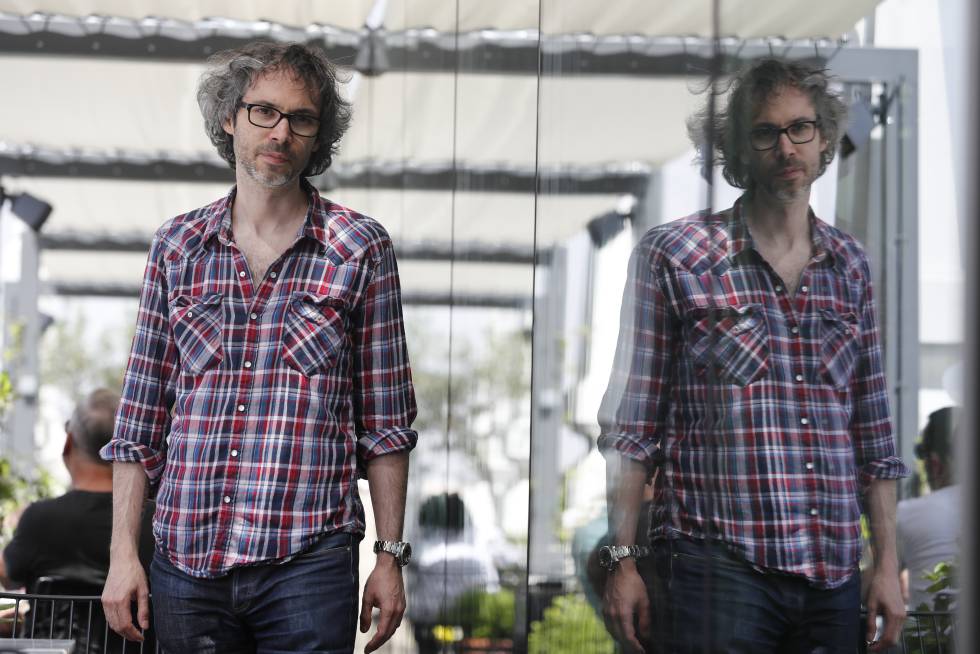
Pianist James Rhodes.
Pianist James Rhodes. 
I have never really understood the concept of “home.” Beyond a place to sleep and protection from the elements, it hasn’t ever had much meaning for me. I seem to have been running for much of my life. Usually away from myself or messes I’ve created. But nine months ago I finally stopped running. I moved to Madrid. I came home. And I discovered what that word means.
It is one thing to be lucky enough to know the Madrid that offers the world the Prado, Thyssen, Reina Sofia. Where you can wander in your lunch break to see Guernica and then have a picnic in Retiro park, explore the Royal Palace, drink a caña in plaza Mayor. It is a whole new level to fall in love with Calles Cava Baja or Espiritu Santo – streets that perhaps to you seem normal but to me are entirely magical. To see people walking slowly (anathema in London), waiting for the traffic lights to change before crossing the road (a first for me). To count the extraordinary number of old couples holding hands. To chuckle at the majesty of Serrano where you can buy a jacket for the same price as a car. To take in some extraordinary theater at the Pavón Kamikaze, eat croquetas that may literally change your life at Santerra, have a croissant in Café Comercial that makes you laugh out loud it’s so good, watch TV gold as Sálvame professionals analyze the body language of Letizia in front of a rapt audience.


I love this country. I look up to her. Metaphorically and literally

The differences between here and the UK are astonishing. I am writing this in my sick bed at 2am because I caught Brexit flu going back to UK for three days. Back in Madrid, I called Adeslas. An hour later a doctor came round to my home and gave me antibiotics. I pay €35 a month for health insurance here (perhaps a luxury, but one I need because of past back surgeries). In London I pay almost 10 times that. And even then doctors won’t visit me at home without charging €200.
You may not believe me but I have no reason to lie when I tell you that everything is better here. The trains, the Metro, the taxistas, the kindness of strangers, the unhurried pace of life, the frankly alarming ability to insult one another (forget mothers and sexual acts; you guys can do it using fish, asparagus and milk – it’s an art form worthy of Cervantes), the delicious language (quisquilloso, rifirrafe, ñaca-ñaca, sollozo, zurdo, tiquismiquis) which may as well be my nickname, and on and on – your dictionary is the verbal equivalent of Chopin. It really is the guay del Paraguay), the impressive number of dedicated smokers as if to proudly tell the medical community and self-righteous assholes of LA to go fuck themselves. The live-and-let-live friendliness, cleanliness, open heartedness of it all. The croqueta of the year award. Your respect for books, for art, for music. For family time and rest. For the important things.
The surprising number of talented people named Javier (Bardem, Cámara, Calvo, Ambrossi, Manquillo, Del Pino, Marías, Perianes, Navarrete, etc. etc. – can you guess what I’ll be naming my next son?).
You invented siestas and still you work longer hours than practically any other country in Europe.
I have met strangers on the Metro with whom I have ended up playing Beethoven, grandmothers who have made me torrijas and talked about their previous life playing the piano, patients at psychiatric hospitals who have stunned me with their bravery, a young kid who plays the piano far better than I did at his age and who I’ve been lucky enough to give a few free lessons to. Even Despacito sounds fucking great at 8.30am on the Metro because it’s played on an accordion by an old man who is smiling, and as I watch the other commuters on the train I can see how contagious that smile is. I have spent hours wandering around the Carrefour de Peñalver overwhelmed by the colors and flavors and smells and freshness of it all, seen tomatoes the size of footballs at the fruit shop around the corner from my apartment, eaten cakes made for me by my neighbors who, rather than complaining about the noise, ask me to play the piano a little bit louder. I have discovered the genius of natillas. And on and on.
There is so much good here. Oftentimes hidden away. I have seen first-hand the extraordinary work done by organizations such as Fundación Manantial, Save the Children, Fundación Vicki Bernadet, Plan International and so many others, big and small, whose mission is to shoulder some of pain of the world in which we live without asking for thanks, praise, reward.


I have met strangers on the Metro who I have ended up playing Beethoven with

Yes there are problems. Of course there are. The frankly appalling, offensive and barbaric laws on sexual assaults as evidenced by La Manada; laws that simply must be changed. Drugs, homelessness, trafficking, abuse, health cuts. The corruption of power. Politicians (please, can we just let Manuela Carmena, la superabuela, take the shit out of Spain for a few years and sort everything out?). The normal scourges of humanity since time immemorial. But these things haven’t turned you hard, cold, ugly and battened down as they have so many nations. They have instead opened you up, shone a light on some of the purity and good in this world, and I am so fucking proud to be a single, tiny, solitary figure wandering around this country in wonder at her collective vitality.
This year I will be visiting Ibiza, Sitges, Seville (25 October, Cartuja Center), Granada, Costa Brava, Pamploma, Cuenca, Vigo, Vitoria, Zaragoza and so many more amazing places. I have been to dozens more cities over the past two years. I am a foreigner, a guest, and as an Anglo-Saxon I don’t believe I have the right to be political here but what I can say for an absolute fact is that whether I have been in Barcelona, Gijón, Madrid, Bilbao, Santiago, Girona, wherever, my experience has always been the same – warmth, hospitality, smiles, openness. Different food perhaps (obviously Valencian paella is the only authentic one. Ditto churros from Madrid and salmorejo from Andalusia. Pretty much anything from San Sebastián is the best you’ll eat; OK this is perhaps a dangerous game, which I’ll stop now), different accents (I’m sorry Galicia but I don’t understand a single word people say there – my bad), but the same giant hearts, same insanely impressive work ethics, same hugs, same giant friendliness.
I love this country. I look up to her. Metaphorically and literally. I never used to look up – I would walk about eyes glued either to the pavement or to my phone. Here in Spain I gaze around me in awe. I see you, and your reflection blinds me with its loveliness. I look up now. Because I feel safe. And visible. And held. And welcome.


I have eaten cakes made for me by my neighbors who, rather than complaining about the noise, ask me to play the piano a little bit louder

When I was in London recently I saw my psychiatrist Billy. He told me that 10 years ago he didn’t know if I’d live or die. And that even a year ago he had serious and legitimate concerns about my well-being. But that right now he hasn’t everseen me this well. And you know what, Spain is largely the reason.
And perhaps some will say that is because I have had some degree of professional success, I sometimes stay in nice hotels and eat in nice restaurants, perhaps people treat me differently. So let me end with this:
Many years ago (too many years ago) as a very young child, I would come to Mallorca every year. We would stay in a shitty little apartment on the beach in Peguera for a couple of weeks every August. I remember those holidays as the safest, most perfect and incredible respite of my childhood. I was lifted away from the war zone that was my rapey, violent, monochrome existence in London and for a brief moment in time, aged eight or nine, I could buy cigarettes (Fortuna for a few pesetas) from Pedro in the tiny shop by the beach, drink warm Rioja (again, thanks Pedro) looking up at the stars, go swimming, occasionally convince someone with a boat to offer me a water-ski, enjoy the sunshine and, most importantly, breathe in and inhale a feeling of shelter and protection. More than 30 years later you are offering me the same thing. And I will never be able to express my gratitude to you for that.
El Pais, May 18, 2018
Link to the Spanish translation

Friday, May 18, 2018

One of the greatest tennis matches ever: Borg v McEnroe Wimbledon Final 1980


The first time that Ice met Fire in a Wimbledon final, Bjorn Borg and John McEnroe battled out over five tempestuous sets in July 1980, before Borg eventually retained his title. 25 minutes of glorious tennis!

Monday, May 14, 2018

The Revolt Against Tourism

By ELIZABETH BECKER
The New York Times, July 17, 2015


COPENHAGEN — As we glide under a bridge on the city canal tour, our guide announces that we have entered a quiet zone. “This is a residential area,” she says, nodding toward balconies where Danes are enjoying coffee — or maybe wine. “I’ll resume talking in five minutes.”
Denmark is one of the world’s top destinations for conferences and a mainstay of trans-Atlantic cruise ships. Attracted by noir detective series and fashionable cuisine, nine million tourists last year visited this city, a record for Denmark, which has fewer than six million people.
The “quiet zones” are emblematic of the Danish philosophy toward tourists: They should blend in with the Danish way of life, not the other way around. The Danes have prohibited foreigners from buying vacation cottages on their seacoasts; devised their famous bicycle-friendly transportation system to include tourists; and strictly limited bars and restaurants from taking over Copenhagen.
The question, says Henrik Thierlein, a spokesman for the city’s tourism office, is: “How do you take advantage of the growth in tourism and not be taken over by mass tourism?”

Outraged by tourists’ boorish and disrespectful behavior, and responding to the complaints of their constituents, local officials around the world have begun to crack down on tourism, and the tourism industry, even in the face of opposition from their national governments, which want the tax revenue from tourists.
Barcelona, a city of 1.6 million that receives over seven million people a year, represents the turn toward regulation. Taxis and tour buses have taken over entire neighborhoods, while souvenir shops and bars have displaced pharmacies and greengrocers.
The city’s mayor, Ada Colau, 41, who was elected in May, announced a one-year ban on new tourist accommodation citing the swarms of students who have all but taken over the Ciutat Vella, or Old City, of Barcelona. Last August, hundreds of residents erupted in spontaneous protest after images of three Italian tourists wandering naked in the neighborhood of La Barceloneta were circulated online. Her greatest worry, Ms. Colau says, is Barcelona’s turning into Venice.
In Asia, alarm has centered on Chinese tourists; there are more of them than from any other nation. China began loosening severe travel restrictions only about 25 years ago, and the rapid rise of the middle class has sent curious — but often naïve, rude or even destructive — visitors throughout Southeast Asia. In Thailand a Chinese tourist was recently caught on video ringing and kicking sacred bells at a Buddhist temple as if he was in a game arcade.
There have been reports of Chinese tourists littering beaches and even defecating in public. One tourist even opened the door of an airplane, as it prepared for takeoff, reportedly to get fresh air. The Chinese government responded by promising to set up a tourist black list to ban notorious known offenders from traveling overseas for up to two years.
Of course, the Chinese aren’t the only culprits. In Cambodia, half a dozen foreigners, including three Frenchmen and two American sisters, were deported in February for posing nude in the temples at Angkor. I was in Cambodia when the scandal broke, leading a discussion near the temples about protecting cultural sites visited by tourists. The authorities are now considering a code of conduct that would ban not only nudity, but also the touching of ruins.
Bhutan, wary of uncontrolled tourism, is going further — it has restricted the number of tourism visas, curbed hotel construction and imposed a high tariff on tourism, all part of a strategy of “low-volume and high-value tourism.”
Battles like these have even reached the tourism-friendly United States. A decade after Hurricane Katrina ravaged New Orleans, city officials have eyed tourism as the best path for a revival. But homeowners in the French Quarter complain that the city fails to properly enforce zoning and noise regulations, inviting the party crowd into their streets. Last year, residents of Charleston unsuccessfully sued to block the South Carolina ports authority from opening up the port to more and larger cruise ships.
Tensions are bound to get worse. Notwithstanding worry about carbon emissions, more of the world’s peoples are crossing borders for leisure than ever before. Now tourism accounts for one in 11 jobs worldwide.
In 2012 the global tourism industry counted a record one billion trips abroad, and many more tourists travel within their home countries. Travel contributes $7.6 trillion to the global economy, nearly half the entire economic output of the United States.
One reason tourism is hard to regulate is its positive associations, not only with pastime and leisure but also with cultural prestige. People are proud of the vistas, landmarks and monuments that their homelands are best known for. So efforts to regulate tourism aren’t always popular.

France is an exception, which is remarkable given that it is also the most-visited country in the world. In the 1950s, with American aid from the Marshall Plan, the French government used tourism to help rebuild the country. They discovered that tourism, when done properly, could underwrite the protection and nurturing of France’s culture, landscape and way of life.
In practical terms, that means tourism is promoted and subsidized, but also regulated, at all levels of government, in all matters of policy. Tourism is considered, for example, in plans for preserving and protecting the countryside, the vineyards, forests, small villages and small farms, the coastline, the bicycling routes and the ski slopes. (France is the world’s top skiing destination.) French officials debate whether Bordeaux needs another five-star hotel; which ski resort in the French Alps needs another lift; whether Provence needs more vacation rental homes.
The rules are enforced with impartiality. The special favors and corruption that mar tourism in other countries are mostly absent in France.
Patrimony and tourism feed each other. France invented the first Ministry of Culture and then spread festivals around the country to send visitors far from Paris: music in Aix-en-Provence, film and advertising in Cannes; photography in Perpignan and dance in Montpelier. Bordeaux undertook a mammoth 15-year restoration of its 18th-century historic center — a project as complicated as Boston’s Big Dig — with tourism in mind, as Alain Juppé, the mayor (and a former prime minister of France), told me.
Like Copenhagen, Paris uses noise and zoning laws to keep tourism from getting out of control. And it handles the flow of tourists with the seriousness of a military operation. The Eiffel Tower, with seven million visitors each year, is the world’s most heavily visited paid attraction. Tickets are limited and timed to the half-hour. Visitors move up and down under the watch of discreet guards. The gardens surrounding the tower are kept manicured by a full-time crew of 38 workers. Loitering is forbidden; street vendors are strictly regulated. Similar restrictions apply for other tourist spots, like the gardens of Claude Monet in nearby Giverny. Paris is, first of all, for Parisians.
That was illustrated last month in a rare standoff between tourists and locals. For several years, tourists had disfigured the Pont des Arts by hanging padlocks on the pedestrian span as a sign of love. Parisians despised these “love locks.” After several compromises failed, the city government removed them.
The United Nations World Tourism Organization projects that by 2030, global tourism will reach 1.8 billion trips a year. It is now so big that it will inevitably be part of conversations about climate change, pollution and migration. Without serious government attention, many beloved places will be at risk of being trammeled and damaged — what those in the tourism industry call being loved to death.

Elizabeth Becker is a former New York Times reporter and the author of “Overbooked: The Exploding Business of Travel and Tourism.”

Thursday, May 10, 2018

Who do I think I am?

Our keep-fit guinea pig gets his DNA tested in a hopeless attempt to customise his diet and fitness regime. By Matt Rudd, The Sunday Times Magazine, May 1, 2016


Getting fit and healthy is a tawdry, tedious affair. All that pain; only a smidgen of gain. Imagine if the way you were going about it was wrong? All those press-ups and oily fish for nothing.

Several companies are now offering to analyse your DNA to tell you how your genes would prefer you to work out. You spit into a test tube, post it to some unfortunate man in a white coat and then, a couple of weeks later, get your report. Next stop: physical perfection.

Because the idea of pointless press-ups is horrific, I decided to try it. And because it’s difficult to know how much of a DNA fitness report is hokum, I decided to try it twice. Would two companies analysing the same spit come up with the same results?

I began with DNAFit, which you can now get as a £159 add-on to your David Lloyd gym membership. A fortnight after I sent off my gob, I was asked to attend a session with the DNAFit practitioner in Beckenham, southeast London. He would help me "achieve my genetic potential" by talking through 34 pages (!) of results. It was a nerve.racking experience. A man called Kieran knew more about my body than my GP does. He had diagrams and graphs to prove it.

An hour later I emerged with all sorts of genomic revelations. I'm better suited, for instance, to endurance running to press-ups. I am predisposed to ligament injuries. The report also suggested I have a "very high" recovery speed, that can't be right. I still have shin splints from that half-marathon I did in 1996.

It was even more specific on food. I'm lactose-intolerant. I should avoid salt like a slug. I need extra vitamins A, C and D, but not B. I should eat a lot of oily fish, but very little gluten.

By the time we were through, Kieran had devised a whole new approach to training and diet, and I was going home to a life of Mediterranean cuisine, soya milk and long runs. 

Is it all hokum? Two weeks later the second analysis arrived. IamYiam charges a whopping £387 for a detailed DNA analysis. It then hooks you up with lots of wellbeing experts to cater for your less helpful genes. On the hokum front, the good news is the two reports had quite similar results. The bad news? Not quite similar enough.

IamYiam agreed, for example, that I was lactose-intolerant, that I should focus on endurance training and that salt was my enemy. It disagreed on matters of vitamin B, antioxidants and omega-3.

So I'm left to experiment, which I could have done without the DNA analysis. I've cut out lactose and I think I feel better for it. I've cut out gluten and I don't think it's made any difference at all. I've given up press-ups and started running again. No idea if it is helping.

In short, I'm tinkering away until I find the right answer. All this poking around in my genes has given the tinkering some focus, but getting fit and healthy remains a tawdry and tedious affair.

Wednesday, April 25, 2018

Why our screens make us less happy


What are our screens and devices doing to us? Psychologist Adam Alter studies how much time screens steal from us and how they're getting away with it. He shares why all those hours you spend staring at your smartphone, tablet or computer might be making you miserable -- and what you can do about it.

Saturday, April 07, 2018

Magical Norway by drone


Magic Lofoten by Drone from Manuel Meurisse on Vimeo.
A 10-day journey through the magical islands in Lofoten, Norway. We got this brilliant van from Arctic campers in Tromsø and drove all the way to a passing through Senja. This video is 99% captured with my little DJI Mavic and shows the most beautiful hikes around Lofoten islands captured while sunset/sunrise. Manuel Meurisse, Belgium

Friday, March 30, 2018

Dear husband,

Dear Husband,
I. Need. More. Help.
Last night was hard for you. I asked you to watch the baby so I could go to bed early. The baby was crying. Wailing, really. I could hear him from upstairs and my stomach knotted from the sound, wondering if I should come down there and relieve you or just shut the door so I could get some desperately needed sleep. I chose the latter.
You came into the room 20 minutes later, with the baby still frantically crying. You placed the baby in the bassinet and gently pushed the bassinet just a few inches closer to my side of the bed, a clear gesture that you were done watching him.
I wanted to scream at you. I wanted to launch an epic fight that very moment. I had been watching the baby and the toddler all damn day. I was going to be waking up with the baby to feed him all damn night. The least you could do is hold him for a couple of hours in the evening to I can attempt to sleep. Just a few hours of precious sleep. Is that too much to ask?
I know we both watched our parents fulfill the typical mother-father roles growing up. Both our mothers were the primary caretakers and our fathers were relatively hands off. They were excellent dads, but they weren't expected to spend a significant amount of time changing diapers, feeding, caring, and tending to the kids. Our mothers were the superwomen who maintained the family dynamics. Cooking, cleaning, and raising the children. Any help from dad was welcome, but unexpected.
I see us falling into these family dynamics more and more each day. My responsibility to feed the family, keep the house clean, and take care of the kids is assumed, even as I return to work. I blame myself for most of it too. I have set the precedent that I can do it. And in truth I want to. No offense, but I'm not sure I want to know what a week's worth of dinner would look like with you in charge.
I also see my friends and other moms doing it all, and doing it well. I know you see it, too. If they can manage it, and if our mothers did it so well for us, why can't I? I don't know.
Maybe our friends are playing the part in public and secretly struggling. Maybe our moms suffered in silence for years and now, thirty years later, they simply don't remember how hard it really was. Or maybe, and this is something I berate myself over every single day, I'm just not as qualified for the job as everyone else. And as much as I cringe just thinking it, I'm going to say it: I need more help.
Part of me feels like a failure for even asking. I mean, you do help. You are an amazing father, and you do a great job with the kids. And besides, this should come easy to me, right? Motherly instincts, no? But I'm human, and I'm running on five hours of sleep and tired as hell. I need you.
In the morning, I need you to get our toddler ready so I can care for the baby and make everyone's lunches and drink a cup of coffee. And no, getting the toddler ready does not mean plopping him in front of the TV. It means making sure he went potty, giving him some breakfast, seeing if he wants water, and packing his bag for school.
At night, I need an hour to decompress in bed knowing our toddler is asleep in his room and the baby is in your care. I know it's hard to listen to the baby cry. Believe me, I know. But if I can watch and pacify the baby for the majority of the day, you can do it for an hour or two at night. Please. I need you.
On weekends, I need more breaks. Times where I can get out of the house by myself and feel like an individual. Even if it's just a walk around the block or a trip to the grocery store. And some days when I've scheduled swim class and play dates, and it seems like I've got it all under control, I need you to offer to lend me a hand. Or suggest I go lay down during the kids' naptime. Or start putting away the dishes without me suggesting it. I need you.
Lastly, I need to hear you're grateful for all I do. I want to know that you notice the laundry is done and a nice dinner has been prepared. I want to know you appreciate that I breastfeed at all hours and pump when I'm at work when it would be easier for me to formula feed. I hope you notice that I never ask you to stay home from your networking events and sport activities. As the mom, it's assumed I'll be home all the time and always available to care for the kids while you're out and I feed that assumption by, well, being home all the time.
I know it's not how our parents did it, and I hate even asking. I wish I could do it all and make it look effortless. And I wish I didn't need kudos for doing things most people expect from a mom. But I'm waving a white flag and admitting I'm only human. I'm telling you how much I need you, and if I keep going at the pace I've been on, I will break. And that would hurt you, the kids, and our family.
Because, let's face it: you need me, too.
Celeste Erlach

Celeste Erlach is a blogger from Utah, USA. Link to the Spanish translation.

Friday, March 23, 2018

Playing well


The name of the Danish toy company LEGO comes from a rather clever acronym, one created by the first two syllables of the expression "lege godt"(pronounced: /lája got/), which in Danish means play well. What the Danes know! Europe wouldn't be the same without Denmark! 

Wednesday, March 21, 2018

The Facebook Leak / Todo lo que saben


Todo lo que saben, por ANTONIO MUÑOZ MOLINA

La literatura de ficción se queda muy atrás en el retrato de este tiempo de ahora. Desde Ian Fleming a John le Carré, los novelistas han imaginado a megalómanos malvados que aspiran a dominar el mundo, pero ninguna imaginación ha podido concebir a un personaje como Donald Trump, y menos todavía a alguien mucho menos estridente pero tal vez más siniestro, que solo en estos últimos tiempos ha empezado a aparecer en los medios, el megamillonario Robert Mercer. Hasta hace poco Mercer era uno de los hombres más poderosos y a la vez más invisibles del mundo. Yo leí sobre él, y sobre su hija Rebekka, en uno de los extraordinarios reportajes que Jane Mayerescribe desde hace años sobre el poder del dinero en The New Yorker. Algunos de ellos se convirtieron en un libro escalofriante, Dark Money, del que hablé en estas páginas el año pasado. A los pocos meses de su aparición, Mayer publicó una nueva crónica que podría haber sido otro de los capítulos del libro, esta vez dedicada a los Mercer, padre e hija, y a la influencia decisiva que habían tenido en el nombramiento como candidato republicano y en la victoria de Donald Trump. He vuelto a leerlo ahora, y me he llevado la sorpresa de encontrar en él una referencia muy documentada a la compañía Cambridge Analytica, que justo estos días aparece citada en todas partes, en medio del escándalo que está por fin revelando la codicia, la falta de escrúpulos, el cinismo político con que la hasta ahora sacrosanta Facebook comercia con la intimidad de sus usuarios.
Cada día, a cada momento, centenares de millones de personas regalan, con conmovedora generosidad, todos los pormenores de su vida, de sus aficiones, de sus inclinaciones, de sus manías políticas a una empresa que a cambio les provee con una réplica adaptada del mundo, o personalizada, por decirlo con la palabra inevitable, y que al mismo tiempo de confortarlos y de envolverlos en un capullo hermético de certezas compartidas más o menos tribales, los somete a una especie de radiografía íntima, como bacterias en un cultivo biológico o como esos ratones de los laboratorios que rondan por sus laberintos de cartón llevando diminutos electrodos incrustados en el cráneo. Hasta hace poco la cara de Facebook era ese joven perennemente disfrazado de joven, de universitario brillante pero noble en un campus americano. Eran los tiempos en los que Internet y las redes sociales iban a establecer una radiante fraternidad universal que trascendería fronteras, derribaría muros, alimentaría una creatividad no sometida al control de las élites ni a las manipulaciones del comercio, etcétera.
Ahora las caras son otras. Está la cara cínica de Alexander Nix, el director de Cambridge Analytica, la empresa a la que Facebook le vendió los datos de 50 millones de personas, que se ufana en público de haber contribuido a la victoria de Donald Trump y del Brexit, y de ser capaz de poner al servicio de cualquier mentira política toda la eficacia de su tecnología. Entre sus muchos logros, Cambridge Analytica incluye la campaña para contrarrestar los cargos de corrupción y abuso de poder del presidente de Kenia, acusado formalmente por el Tribunal Penal Internacional. Con su acento de clase alta inglesa, Nix explica que su empresa diseñó y difundió el mensaje de que las acusaciones respondían a una conspiración imperialista y racista contra un pueblo soberano de África. Pero los servicios de Cambridge Analytica no incluyen solo la tecnología. Según Nix, también pueden contratar a prostitutas del este de Europa para que actúen como cebo para personajes públicos, y difundir luego fotos o vídeos comprometedores en las redes.
Alexander Nix, como Donald Trump, tiene la desenvoltura de los sinvergüenzas. Robert Mercer, que es dueño de una parte de Cambridge Analytica, parece ser un hombre retraído que habla lo menos posible y lo hace en voz muy baja. Jane Mayer lo retrata con una perspicacia de gran narradora. Mercer, ingeniero informático, amasó su fortuna creando algoritmos para acelerar y automatizar decisiones en el mercado de valores. Posee uno de los yates más grandes del mundo, tan alto que cuando llega a Londres ha de abrirse el puente de la Torre para abrirle paso. Aficionado al maquetismo ferroviario, en su mansión de Long Island ha instalado un tren eléctrico que cuesta 2,7 millones de dólares y que circula por un paisaje en miniatura de una extensión equivalente a media cancha de baloncesto. Robert Mercer es devoto de Ayn Rand y cree que los Gobiernos solo sirven para subvencionar a la gente inútil y perezosa y entorpecer la iniciativa de las personas superiores y el dinamismo del mercado. También cree que Bill y Hillary Clinton ordenaron personalmente algunos asesinatos de adversarios políticos, y que el cambio climático es un fraude, y que en caso de necesidad Estados Unidos puede lanzar bombas nucleares contra un enemigo, dado que una explosión atómica no causa grandes daños más allá de la zona de su caída. El calentamiento global, en caso de que ocurra, creará nuevas especies de animales y de plantas; la bomba de Hiroshima y la de Nagasaki tuvieron a la larga un efecto benéfico sobre la salud de la población japonesa.
En 2012 la familia Mercer, que había invertido mucho dinero en la campaña de Mitt Romney, se llevó el disgusto de que saliera reelegido Obama. Fue entonces cuando decidieron que había que lograr una mayor capacidad de influencia utilizando las redes sociales y el manejo de las cantidades inmensas de datos que podían obtenerse en ellas. Los ejecutivos de Cambridge Analytica lo expresan con toda claridad, y hasta le han dado un nombre, psicografía: “Sabemos a qué clase de mensajes eres susceptible y dónde vas a consumirlos y cuántas veces vamos a tener que llegar a ti con ellos para hacer que cambien tus ideas sobre algo”.
Con su voz susurrante y sus modales helados, con su afición a los trenes eléctricos y a la demagogia truculenta de Ayn Rand, Robert Mercer tiene un proyecto, según le han contado a Jane Mayer algunos de sus allegados: derribar cualquier forma de legalidad o de orden político que interfiera con el poderío y el capricho del dinero. Casi cada uno de nosotros, en diferente medida, en su burbuja de conformidad, en sus vanos aspavientos virtuales, en su incapacidad gradual para hacer frente sin filtros a la crudeza y a la variedad del mundo, pone su grano de arena mínimo pero necesario en esa tarea. Solo hace falta dar un like. El País, 31.03.18

Artículo relacionado: El mercado global de los me gusta falsos, reportaje de investigación telemática de Fernando Peinado y David Alameda.

Saturday, March 10, 2018

Las noticias engañosas circulan más rápido que las verdaderas


Las noticias engañosas o fake news circulan más rápido por Internet que las informaciones verdaderas, debido más a los propios internautas que a programas informáticos automáticos, según un estudio recién publicado por la revista Science.

El estudio fue realizado sobre 126 mil informaciones verdaderas y falsas entre 2006 y 2017, difundidas por Twitter por tres millones de personas más de 4.5 millones de veces. Para efectuar eficazmente la distinción entre noticias verdaderas y engañosas, el equipo trabajó con seis organizaciones independientes de chequeo de datos.

Las informaciones engañosas son en promedio difundidas más rápidamente y más ampliamente que las verdaderas, según los investigadores del Massachusetts Institute of Technology (MIT). En promedio, las verdaderas informaciones requieren seis veces más de tiempo que las engañosas para llegar a mil 500 personas, según sus análisis.

La diferencia es aún más marcada para noticias políticas que para las relativas al terrorismo, a las catástrofes naturales, a la ciencia, las leyendas urbanas o las noticias financieras. Aunque muchos se inquietan de la difusión de noticias engañosas por parte de "bots (programas informáticos que realizan operaciones de Internet por sí solos), el estudio reveló que la propagación de este tipo de informaciones se debe sobre todo a la acción humana.

Esta propensión a difundir informaciones falsas podría deberse, según el estudio, a que son muy novedosas y sorprenden más a los lectores que las verdaderas informaciones. Las cuentas de Twitter que publican informaciones falsas tienen también de promedio menos seguidores, siguen menos cuentas y son menos activas que las cuentas de quienes tuitean informaciones informaciones. (Diario La Prensa, 10.03.18)